13 Soups From Around The World Worth Learning To Make At Home
Soup is what happens when you have heat, water, and something to put in the water. Every culture has versions of it, and every version reflects what the land produces and what the climate demands.
The soups that have survived long enough to become national dishes are the ones that solved a real problem: feeding people through winter, using every part of the animal, stretching a small amount of expensive protein through a large amount of cheap vegetable. Learning a soup from scratch is also learning a bit of the logic that built the cuisine it came from.
Pho (Vietnam)

Pho is a beef broth that takes most of a day to make correctly. The bones are parboiled first to remove impurities, then roasted, then simmered for hours with charred ginger and onion, star anise, cloves, cinnamon, and fish sauce.
The result is a broth that is simultaneously clear and deeply flavored. The beef is sliced thin enough that it cooks in seconds from the heat of the bowl.
Getting pho right at home means not skipping the bone preparation and not shortening the simmer time. The recipe is not complicated, but it does not cooperate with shortcuts.
Borscht (Ukraine)

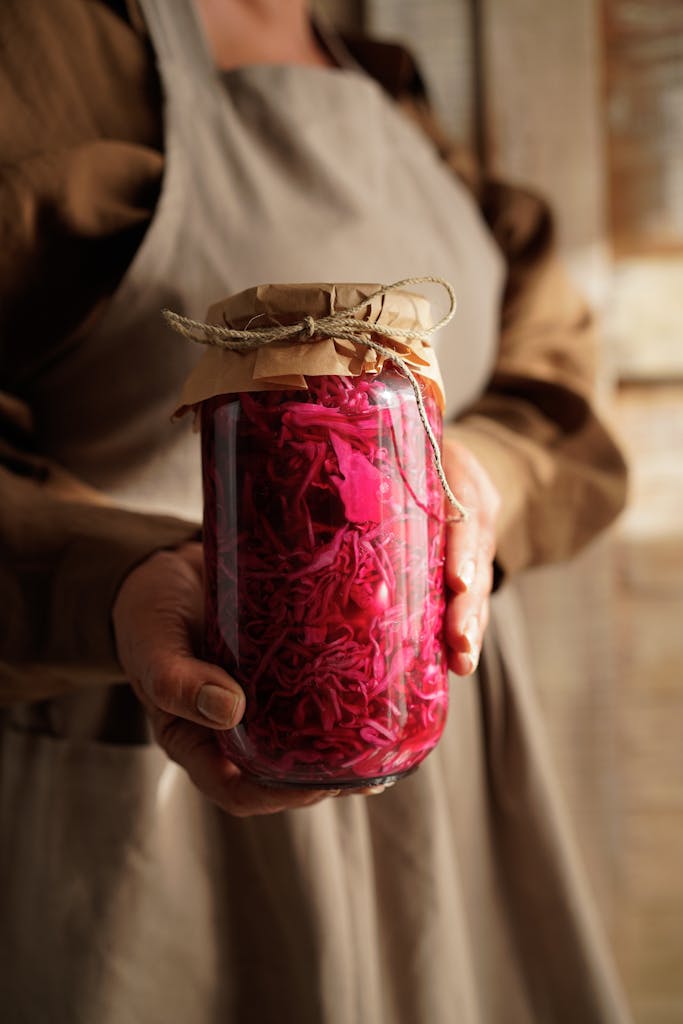
Ukrainian borscht is built on beets and cabbage, with a base that typically includes pork or beef, potatoes, tomatoes, and a sour element (vinegar or fermented beet liquid) that keeps the color bright and cuts through the richness. The technique is layered: each vegetable goes in at a different time so nothing is overcooked.
There are hundreds of regional variations; some include beans, some use kvass for the sour note, some are made entirely without meat. The color alone sets it apart at the table: a deep, almost shocking red that does not fade if you add the acid.
Tom yum (Thailand)

Tom yum is a hot and sour broth built on lemongrass, kaffir lime leaves, galangal, fish sauce, and lime juice. The aromatics go in whole and are not eaten.
They are there to steep, like tea. The shrimp version, tom yum goong, is the most familiar internationally, but the soup works equally well with chicken or mushrooms.
The ratio of sour to spicy to salty is the whole project. Too much of any one element and the balance collapses.
Made right, it is bracing in a way that very few other soups are.
Ribollita (Italy)

Ribollita means reboiled, and the name describes the method: you make a Tuscan bean and vegetable soup on the first day, then you reboil it the next day with stale bread, which thickens it into something closer to a porridge than a soup. The cannellini beans, cavolo nero, and lacinato kale are what make it distinctly Tuscan.
The stale bread is essential, not an add-in but a structural ingredient. Ribollita was peasant food designed to waste nothing, and the second-day version is noticeably better than the first.
Sinigang (Philippines)

Sinigang is a Filipino sour soup built around tamarind, with pork, shrimp, or fish and vegetables like kangkong, eggplant, and okra. The sourness is aggressive and intentional.
Tamarind is the traditional souring agent, but sinigang is also made with guava, calamansi, or kamias depending on what is available and what the cook prefers. Filipino families argue about the right level of sourness.
The broth is clear, the vegetables cook quickly, and the whole thing comes together faster than most soups of comparable depth.
Harira (Morocco)

Harira is the soup eaten to break the fast during Ramadan in Morocco, but it is a daily soup for much of the year regardless of the calendar. It is made with tomatoes, lentils, chickpeas, lamb, and a large amount of fresh cilantro and parsley added at the end.
Flour or a flour-water paste is stirred in near the finish to thicken the broth slightly. The warmth comes from ginger and cinnamon rather than chili heat.
Served with dates and a glass of milk, it is also one of the better arguments for soup as a complete meal.
Gazpacho (Spain)

Gazpacho from Andalusia is a cold soup made from raw tomatoes, cucumber, bell pepper, garlic, olive oil, sherry vinegar, and stale bread soaked in water. Everything is blended together.
The bread is not optional. It gives the soup body and keeps it from being thin.
Good gazpacho requires good tomatoes, which means late summer is the right time to make it. What passes for gazpacho in restaurants outside Spain is often watery and under-seasoned.
The real version is thick, slightly acidic, and tastes like August.
Mulligatawny (India/Britain)

Mulligatawny is a British colonial invention built on a South Indian pepper water called milagu tanni. British officers in India asked their cooks for a soup course, something that did not exist in the local cuisine, and the cooks adapted what they had.
The result was a spiced soup with chicken or lentils, curry seasonings, and often apple or coconut milk added to balance the heat. It traveled back to Britain with the colonizers and became a fixture in British cookbooks through the 19th and 20th centuries.
It is a genuinely good soup, and its history is worth knowing.
Caldo verde (Portugal)

Caldo verde is a Portuguese soup of kale, potato, and Portuguese chourico sausage. The technique is straightforward: potatoes are cooked in water until soft, then partially blended to thicken the broth, and the kale is sliced into very thin ribbons and added at the end so it just barely wilts.
The sausage is sliced and added with the kale. The whole thing takes about forty minutes.
It is the kind of soup that is served at weddings, at village festivals, at Sunday lunches. In Portugal it is not special-occasion food.
It is just the soup you make.
Scotch broth (Scotland)

Scotch broth is made from lamb or mutton neck, pearl barley, and root vegetables (turnip, carrot, leek, onion) simmered together for two to three hours until the barley thickens the broth and the meat falls apart. It is the soup of a cold, wet climate where the goal was to extract maximum nourishment from cheap cuts.
The pearl barley is what makes it filling in the way that few other soups manage. It keeps well and improves the next day, which made it practical for households that cooked once and ate twice.
Miso shiru (Japan)

Japanese miso soup is built on dashi (a broth made from kombu seaweed and katsuobushi, which is dried, smoked, fermented bonito flakes) with miso dissolved into it at the end. The miso never boils.
Boiling kills the beneficial organisms and flattens the flavor. The additions vary by household and season: tofu and wakame are standard, but daikon, potato, clams, and various greens all appear depending on what is available.
Japanese home cooks adjust the miso type and quantity by taste, not by measuring. It is a daily habit for a reason.
Goulash soup (Hungary)

Hungarian goulash soup (gulyasleves) is distinct from the stew version that appears in German and Austrian cooking. The Hungarian original is a clear, intensely paprika-flavored beef soup with potatoes, onions, and caraway.
The paprika is not a garnish. It is the foundation.
Sweet Hungarian paprika and hot paprika are added in large quantities and cooked in the beef fat before any liquid goes in, which blooms the flavor and turns the broth a deep red. It is associated with herdsmen who cooked it over open fires in iron kettles, as gulyash originally meant herdsman.
Avgolemono (Greece)

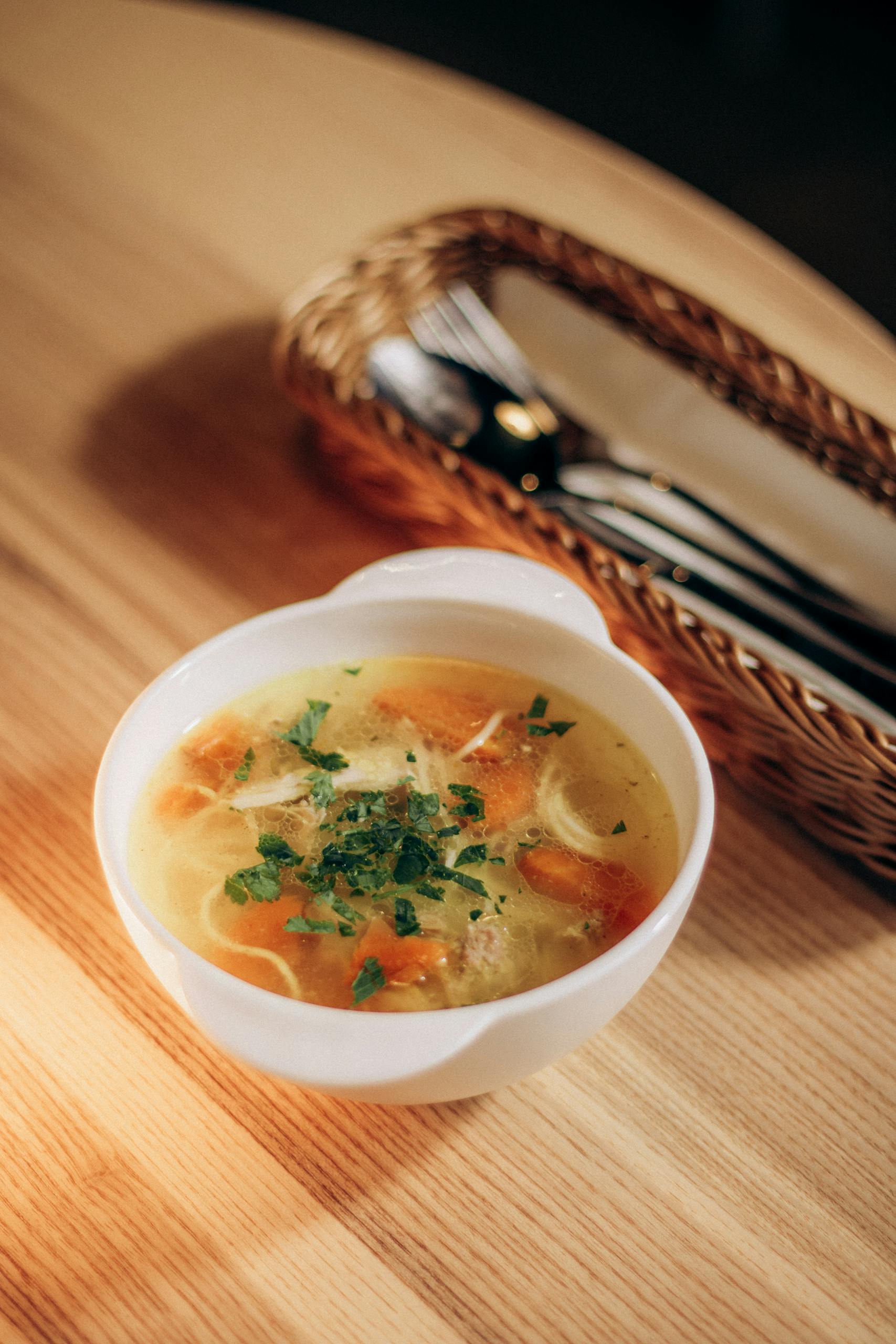
Greek avgolemono is a chicken broth thickened and enriched with a mixture of eggs and lemon juice. The technique requires tempering the egg mixture, meaning you add hot broth to it gradually before stirring it back into the pot, to prevent the eggs from scrambling.
The result is silky, faintly tart, and sustaining in a way that feels different from a cream-based soup. It is often made with orzo or rice.
In Greece it also appears as a sauce over dolmades or braised vegetables. The egg-and-lemon combination shows up in Turkish and Middle Eastern cooking as well, under different names.
What these soups share

Each of these soups has a logic that makes sense once you understand where it came from. Ribollita reuses stale bread.
Scotch broth extracts everything from a tough cut. Pho makes the most of bones.
The economics are different now, but the technique holds. Learning to make any one of them is worth the afternoon it takes.