14 Fermented Foods That Have Been Keeping People Healthy For Centuries
Fermentation is one of the oldest food technologies on earth, older than cooking in some traditions. It started as a way to keep food from spoiling and turned out to produce something else entirely: a category of foods that most cultures have independently discovered, each version shaped by climate, available ingredients, and the particular microbes that live in a place.
The more you look at fermented foods across cultures, the clearer it becomes that this was never a trend.
Kimchi

Korea has hundreds of documented kimchi varieties, and the one most people outside Korea have tried (napa cabbage with gochugaru and garlic) is just the start. The fermentation process converts the sugars in the vegetables into lactic acid, which both preserves the food and creates the sour, funky depth that makes kimchi more than a condiment.
In traditional households, kimchi-making was a seasonal event. Families would prepare enough to last through winter, burying clay pots in the ground to keep the temperature stable during fermentation.
Kefir

Kefir comes from the Caucasus region, where nomadic herders noticed that milk stored in leather pouches sometimes thickened and soured in a particular way. The organisms responsible are kefir grains: a symbiotic colony of bacteria and yeast that look like small cauliflower heads.
Unlike yogurt, kefir contains yeast in addition to bacteria, giving it a slightly fizzy quality and a wider range of probiotic strains. It has been consumed daily in parts of Russia, Turkey, and Eastern Europe for centuries.
Miso

Japanese miso is made by fermenting soybeans with salt and a mold called koji, but the category is broader than most people realize. Miso can be made from barley, rice, chickpeas, and other legumes, and the fermentation time ranges from a few weeks to several years.
The longer it ferments, the darker and more complex it becomes. White miso is mild and slightly sweet.
Red miso, aged longer, is saltier and more intense. In Japan, miso soup at breakfast is not a health statement.
It is just breakfast.
Injera

Ethiopia’s injera is a spongy sourdough flatbread made from teff, a grain native to the Horn of Africa. The batter ferments for two to three days before cooking, developing the characteristic sour taste and the tiny air pockets that make injera the right texture for scooping up stews.
The fermentation also breaks down phytic acid in the teff, which makes the minerals in the grain easier to absorb. Every Ethiopian meal built around injera is using it as both plate and utensil.
Kvass

Kvass is a lightly fermented beverage from Eastern Europe made from stale rye bread. It has very low alcohol content, typically less than 1 percent, and has been consumed in Russia, Ukraine, and the Baltic states for over a thousand years.
It tastes like a malty, faintly sour bread drink, which sounds strange and is actually good. Street vendors sold it from large yellow tank trucks in Soviet-era Russia.
It is still common enough in Eastern Europe that it sits in the refrigerated section next to juice, not in a specialty section.
Natto

Natto is made from soybeans fermented with a bacterium called Bacillus subtilis, and it is one of those foods where the description does not help. The texture is sticky and stringy.
The smell is pungent. The taste is strong, earthy, and hard to categorize.
It is eaten over rice for breakfast in Japan, usually with mustard and soy sauce, sometimes a raw egg. The Japanese prefecture of Ibaraki produces the most, and people from Osaka historically have not liked it much.
The disagreement is centuries old.
Sauerkraut

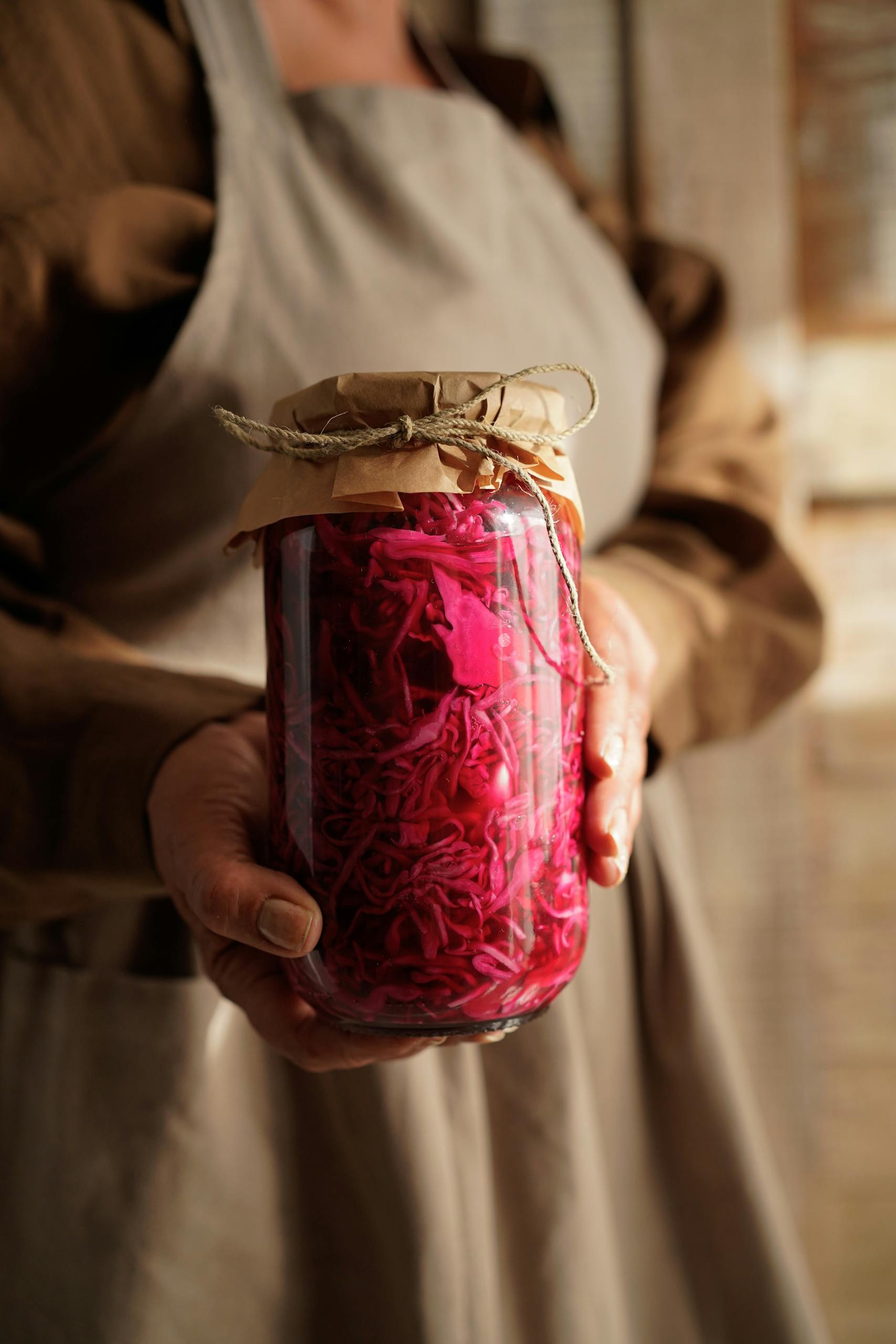
German sauerkraut is simply cabbage and salt, left to ferment through lacto-fermentation. The salt draws water out of the cabbage, creating a brine in which naturally occurring bacteria convert sugars to lactic acid.
No vinegar, no heat. The process is entirely microbial.
It keeps for months without refrigeration, which made it essential on long sea voyages. Captain James Cook carried it on his expeditions to prevent scurvy.
The vitamin C survives the fermentation process intact.
Tempeh

Tempeh originates in Java, Indonesia, where soybeans are fermented with a mold called Rhizopus oligosporus until they bind together into a firm cake. Unlike tofu, which is made from soy milk, tempeh uses the whole soybean.
The fermentation partially digests the beans, reducing compounds that can cause digestive issues and making the protein more available. It has a nutty, mushroomy flavor and a texture that holds up to frying, grilling, or slicing thin and baking until crisp.
Lassi

India’s lassi is yogurt thinned with water, often with salt or spices, sometimes with fruit. The plain salted version is the older form.
Yogurt has been made in the subcontinent for several thousand years, and thinning it into a drinkable form made it easier to consume in the heat. The mango lassi familiar in Indian restaurants outside India is a sweeter, more recent interpretation.
In Punjab, where lassi has deep cultural roots, the traditional version is thick, savory, and made with whole-milk yogurt.
Kombucha

Kombucha is tea fermented with a SCOBY (a symbiotic culture of bacteria and yeast) that converts sugars into acids, trace amounts of alcohol, and carbon dioxide. It originated in northeast China around 220 BCE, moved into Russia and Eastern Europe, and has been made at home by dedicated brewers in many countries for generations.
The surge in commercial kombucha is recent, but the beverage itself is not new. Homemade versions vary considerably in flavor depending on the tea used, the fermentation time, and the specific organisms in the culture.
Kanji

Kanji is a North Indian fermented drink made from black carrots, mustard seeds, and water, left out in sunlight for several days in winter. The carrots give it a deep purple color.
The fermentation is spontaneous, driven by wild bacteria from the carrots and the environment. It is tart, slightly spicy from the mustard, and most commonly consumed during the festival of Holi.
It is not widely exported or bottled commercially. You find it at homes and local vendors in Rajasthan and Punjab in January and February.
Amazake

Amazake is a traditional Japanese fermented rice drink made with koji, the same mold used in miso and sake production. The koji converts the starches in rice into sugars, producing a thick, sweet liquid with almost no alcohol.
It has been consumed in Japan since at least the 7th century and is associated with Shinto shrines, where it is offered as a warming drink in winter. The name translates roughly to sweet sake, but it is not a sake and can be consumed by children and people who avoid alcohol.
Filmjolk

Swedish filmjolk is a fermented dairy product with a consistency thinner than yogurt and a mild, slightly tangy flavor. The bacteria used are different from those in yogurt and can survive in cooler temperatures, which suited the Scandinavian climate before refrigeration.
It is poured rather than spooned, which gives it a different role at the table: drizzled over cereal, used in baking, or drunk alongside a meal. In Sweden it is a breakfast staple with a long domestic history, not something that arrived through the wellness industry.
Pao cai

Chinese pao cai is a fermented vegetable preparation distinct from Korean kimchi, though the two are sometimes confused. Vegetables (often cabbage, radishes, or long beans) are submerged in salted water infused with aromatics like ginger, Sichuan peppercorn, and dried chili.
The fermentation is anaerobic. Sichuan pao cai tends to be less sour than the Korean version and more aromatic from the peppercorn.
It is eaten as a side at the start of a meal, sometimes as a condiment on rice or noodles.
Boza

Boza is a thick, slightly sour fermented grain drink common in Turkey, the Balkans, and parts of Central Asia. It is made from fermented wheat or millet, has very low alcohol content, and is typically sold by street vendors in winter.
In Istanbul, boza sellers once walked through neighborhoods at night calling out their wares, a scene described in Ottoman literature from the 16th and 17th centuries. It is thick enough to eat with a spoon and is traditionally topped with roasted chickpeas and cinnamon.
The common thread

Fermentation does not improve food in spite of what it does to it. The sourness, the funk, the structural change are not side effects.
They are the result. Most traditions that figured this out did so independently, starting from very different ingredients and arriving at the same basic logic: controlled microbial activity as a way to make food more durable, more complex, and more useful to the people eating it.