10 Foods That Were Used As Medicine Long Before They Were Used As Ingredients
For most of human history, the line between food and medicine was not a line at all. Healers, herbalists, and ordinary cooks worked from the same pantry.
What ended up in the pot was chosen as much for what it did to the body as for what it did to the flavor. Some of that knowledge turned out to be right in ways that took centuries to prove.
Turmeric

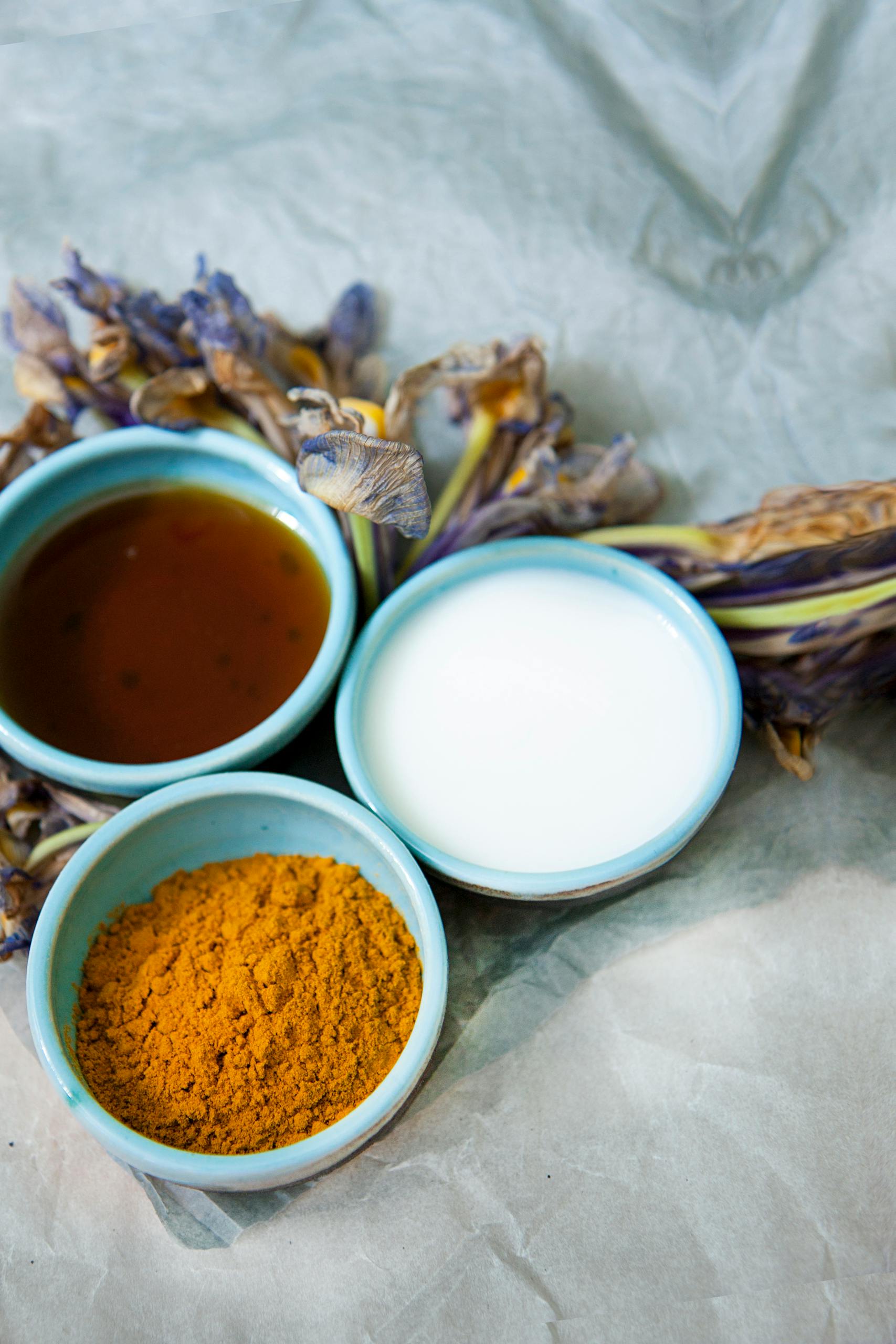
In Ayurvedic medicine, turmeric has been prescribed for inflammation, digestion, and wound healing for over four thousand years. Indian and Chinese physicians documented its uses in texts that predate most of the world’s major empires.
The active compound responsible for most of its effects, curcumin, wasn’t isolated and studied by Western science until the 20th century. Modern research has since confirmed what traditional practitioners described: meaningful anti-inflammatory properties, particularly when paired with black pepper, which increases absorption dramatically.
It is still the most-studied spice in clinical nutrition.
Garlic

Ancient Egyptian medical texts, some dating to 1550 BCE, list garlic as a treatment for over two dozen conditions including heart problems, infections, and parasites. Greek physicians gave it to athletes before competition.
Roman soldiers ate it daily. Medieval European monks grew it in physic gardens alongside herbs that were explicitly medicinal.
The antimicrobial compounds in garlic, particularly allicin, which forms when the clove is crushed, have since been validated in laboratory settings. Louis Pasteur noted its antibacterial properties in 1858.
The Egyptians figured it out several thousand years earlier.
Ginger
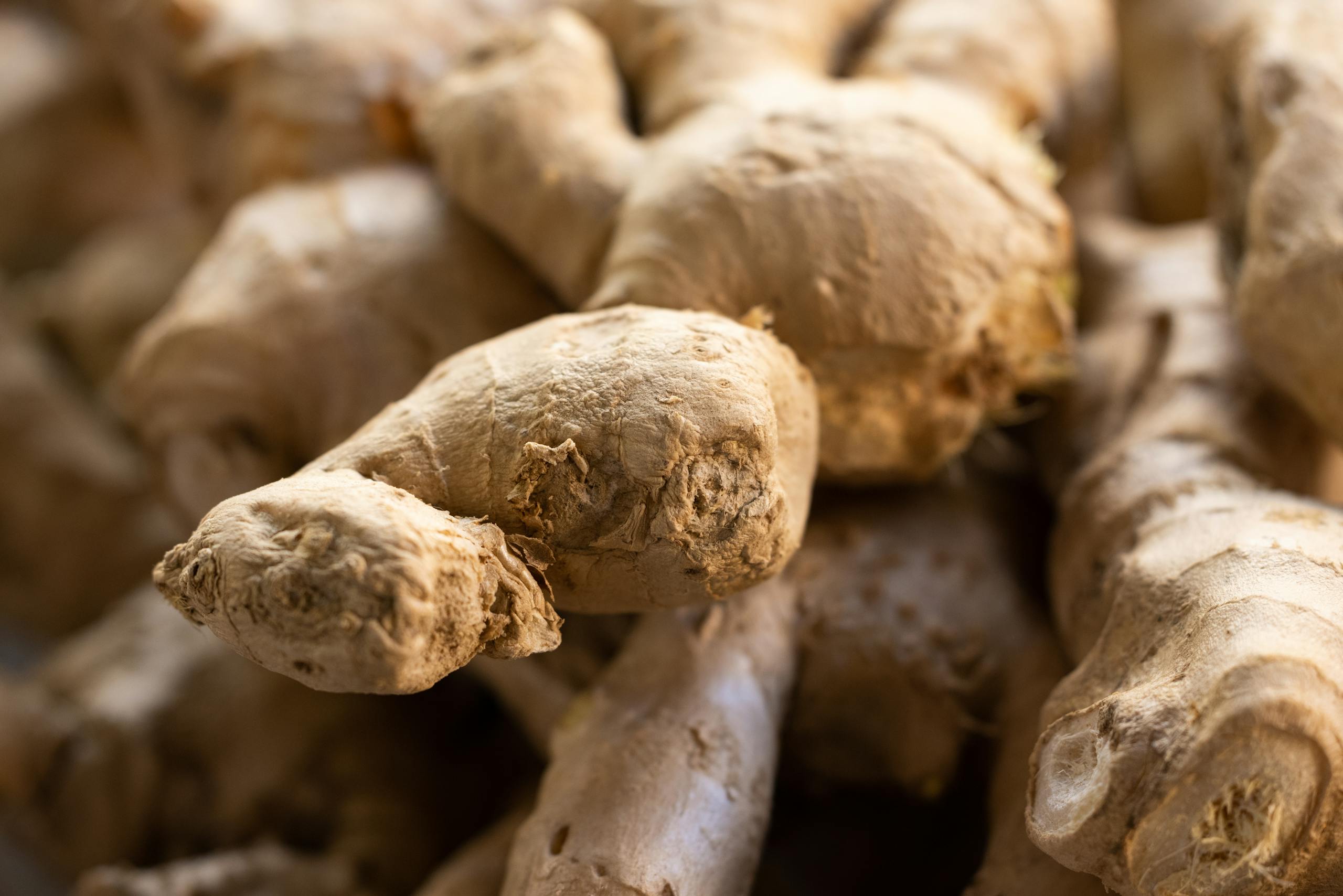
Ginger root appears in Chinese medical texts from the 4th century BCE as a treatment for nausea, cold-induced illness, and digestive complaints. It spread along trade routes, and every culture it reached incorporated it into both cooking and medicine.
Sailors on long voyages carried it specifically for motion sickness. The effectiveness of ginger against nausea, including pregnancy-related nausea and chemotherapy-induced nausea, has been confirmed in multiple clinical trials.
The mechanism involves compounds called gingerols and shogaols, which affect serotonin receptors in the gut. Ancient practitioners didn’t know the mechanism.
They knew the outcome.
Honey
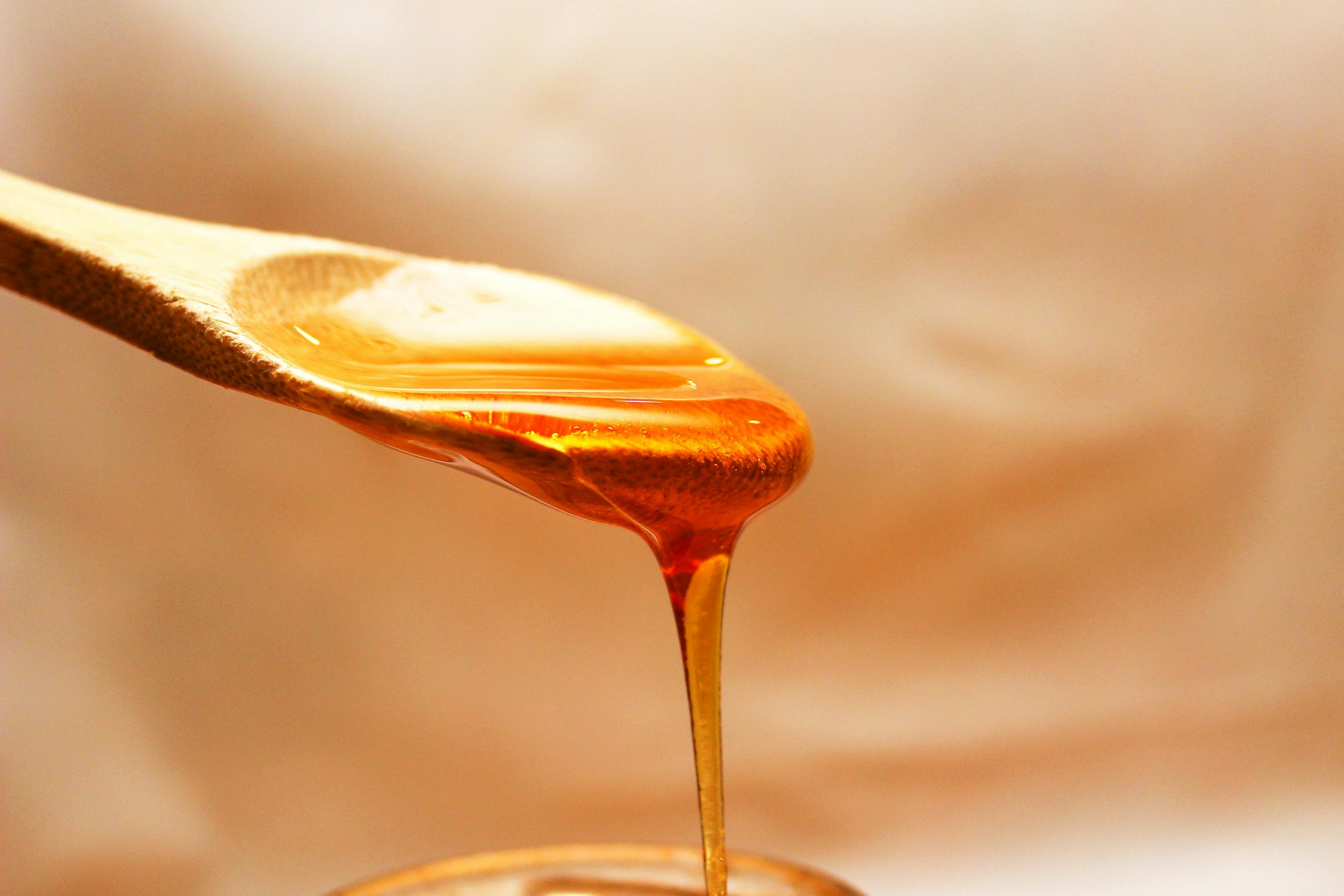
Egyptian, Greek, and Roman texts all document honey as a wound dressing, and for good reason. Honey is hygroscopic, meaning it draws moisture out of bacteria and dehydrates them.
It also produces small amounts of hydrogen peroxide as a byproduct of its chemistry. Manuka honey, from New Zealand, contains an additional antibacterial compound called methylglyoxal at concentrations high enough to be clinically significant.
Modern hospitals have used medical-grade honey dressings for antibiotic-resistant infections. The application is ancient.
The wounds it treats are sometimes very contemporary problems.
Fermented cabbage

Sauerkraut and its equivalents appear across multiple food cultures as a preservation strategy that turned out to have significant health benefits. The lacto-fermentation process that preserves cabbage also generates beneficial bacteria, B vitamins, and vitamin C.
Captain James Cook famously carried barrels of sauerkraut on his Pacific voyages in the 1770s to prevent scurvy, a vitamin C deficiency disease that had killed sailors on long voyages for centuries. His crew was skeptical until he convinced them to eat it by serving it at the officers’ table first.
Scurvy didn’t reach his ships. The bacteria were a secondary benefit he didn’t know about.
Licorice root

Licorice root is one of the most extensively documented medicinal plants in both Eastern and Western traditions. Chinese medicine used it as a harmonizing herb, meaning it was added to other formulas to improve their effectiveness.
Egyptian and Assyrian physicians documented it for coughs, gastric complaints, and liver conditions. The compound glycyrrhizin, which gives licorice its distinctive flavor, has demonstrated anti-inflammatory and antiviral properties in research settings.
It also has real risks at high doses, particularly for blood pressure. The ancient herbalists who recommended it in small quantities as part of broader formulas were, it turns out, applying it correctly.
Bone broth

Broth made from simmered bones has been a feature of virtually every food culture that had access to animals. It was considered restorative for illness, recovery, and cold weather in medical traditions from medieval Europe to Song Dynasty China.
The long simmering process extracts collagen, gelatin, and minerals from the bones. The gelatin breaks down into amino acids, particularly glycine, which plays roles in gut lining repair and sleep regulation.
Jewish penicillin, the nickname for chicken soup’s use in treating illness, has some actual science behind it: researchers found evidence in the late 1990s that chicken soup may have mild anti-inflammatory effects on the upper respiratory tract. It is not a cure.
It is genuinely not nothing.
Seaweed

Coastal communities in Japan, Korea, Ireland, and Wales all incorporated seaweed into regular cooking, and medical traditions in Japan and China recommended it for goiter, which we now understand as iodine deficiency. Seaweed is one of the few non-animal sources of iodine, and iodine is essential for thyroid function.
The same communities that ate seaweed regularly had dramatically lower rates of iodine deficiency diseases. The connection was made by physicians and folk healers centuries before anyone understood what iodine was.
Japanese coastal communities still have some of the highest average life expectancies in the world, and researchers continue to study whether seaweed consumption is a contributing factor.
Pomegranate

Pomegranate appears in Egyptian medical texts from 1550 BCE, in Ayurvedic medicine, in ancient Greek pharmacopeia, and in Persian medical traditions, consistently associated with heart health, digestion, and fertility. The fruit is exceptionally high in punicalagins, antioxidants found almost nowhere else in nature, as well as punicic acid, a fatty acid with notable anti-inflammatory properties.
Clinical studies have found evidence for measurable effects on blood pressure and arterial function. It is one of the more dramatic examples of traditional medicine identifying a benefit accurately and modern research eventually explaining why.
Willow bark

Willow bark tea was used for fever and pain across European, Chinese, and Native American medical traditions for thousands of years. Hippocrates wrote about it in the 5th century BCE.
In 1763, a British clergyman documented its effectiveness for fever in a formal letter to the Royal Society of Medicine. In 1829, the active compound salicin was isolated.
In 1897, Felix Hoffmann at Bayer synthesized a derivative called acetylsalicylic acid and filed for the patent. You know it as aspirin.
The willow bark tradition was correct for over two millennia before the pharmaceutical industry caught up and gave the compound a brand name.
What traditional knowledge got right

The pattern across all of these is not mysticism. It is observation over generations.
Cultures that ate these foods consistently, and noticed what happened to the people who ate them, arrived at conclusions that modern research has often confirmed using different vocabulary. The mechanisms were unknown.
The outcomes were recorded anyway.