12 Pantry Staples That Last Longer Than You Think
People throw away food because they believe it has expired. The expiration date is printed right there.
It must mean something. It means something, but not always what you think.
Some foods last for years past their date. Other things spoil in weeks.
Knowing the difference saves money and reduces waste and makes your pantry less of a guessing game.
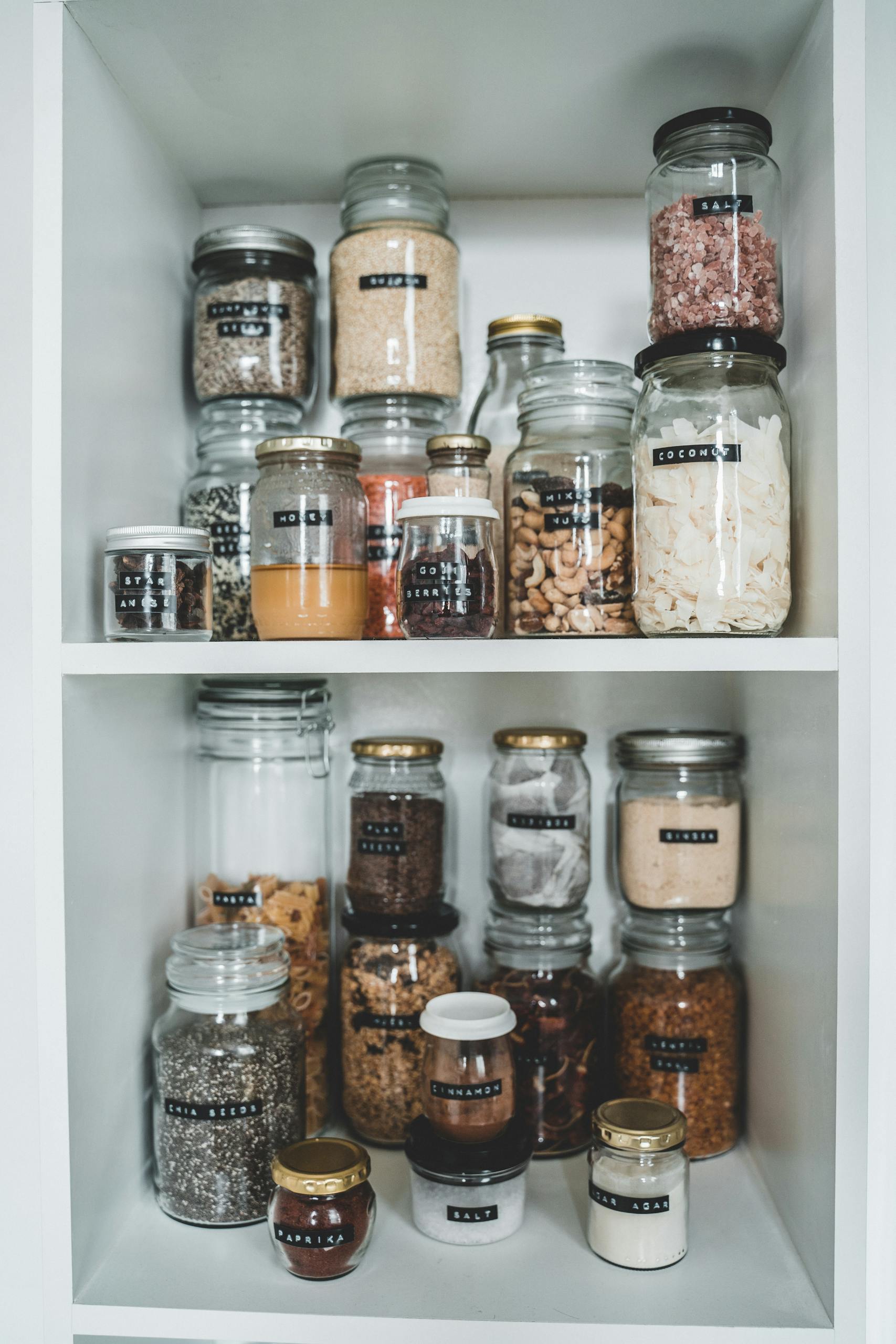
Honey

Honey is so stable that archaeologists have found it in Egyptian tombs completely edible after thousands of years. Not thousands of months.
Thousands of years. If your honey crystallizes, warm the jar in water and it liquefies again.
Nothing has gone wrong. Honey will keep for as long as you keep your house.
Store it covered in a cool place. You do not need to refrigerate it.
One jar will outlast your home office job.
Salt

Salt is a preservative. It doesn’t spoil.
Kosher salt keeps forever. Sea salt keeps forever.
Table salt keeps forever. It may absorb moisture and clump but it’s still salt.
Break the clumps up or run them through a food processor. The shelf life of salt is essentially infinite.
Buy one container and stop buying salt ever again.
Sugar

White sugar and brown sugar are also preservatives. They keep indefinitely.
Brown sugar hardens when exposed to air. Put it in a sealed container with a slice of bread or a damp paper towel and it softens again in a day.
You’re not wasting it. You’re rehydrating it.
Like honey, like salt, sugar outlasts almost everything else you keep.
Dried pasta

Dried pasta made from durum wheat with no eggs lasts for years. The two-year date on the box is conservative.
Pasta made with eggs spoils faster. But plain dried spaghetti and penne and shells will keep for at least five years, probably longer.
Nothing is happening to it on that shelf. It’s not getting worse.
It’s just sitting there. Use the oldest boxes first and you’ll never waste pasta.
Canned tomatoes

A can of tomatoes lasts for about five years. If the can is dented or leaking, throw it away.
If it’s just old, open it and look inside. Smell it.
Taste a tiny bit. If it smells fine and tastes fine, it is fine.
Canned tomatoes are acidic and shelf-stable. They’re one of the most reliable foods you can keep.
Most cans will last much longer than five years. The date is an estimate, not a deadline.
Canned beans

Canned beans in brine last for about three to five years. After that they may be softer than fresh but they’re not dangerous.
If you’re making a soup, no one will know. If you’re making something where texture matters, use fresher beans.
But a can of chickpeas from four years ago is not going to hurt anyone. Store them in a cool cupboard and they’ll stay longer.
Olive oil

Quality olive oil keeps for several years. It doesn’t spoil like other oils but it does oxidize slowly.
Store it in a cool dark place, not next to the stove. A sealed bottle will last for about two years.
Once you open it, use it within a year. The bottle matters.
Glass is better than plastic. Darkness is better than light.
But olive oil is not expensive enough to throw away because of a date.
Dried herbs and spices

This is where most people go wrong. Dried herbs and spices don’t spoil but they lose potency over time.
After two years the flavor starts fading. After three or four years it’s noticeably weak.
That doesn’t mean you throw them away. It means you use more of them.
That pinch of oregano becomes a teaspoon. The spice is still there.
It’s just quieter. Taste as you go and adjust.
Vinegar

Vinegar is acidic and antimicrobial. It keeps indefinitely.
White vinegar, apple cider vinegar, rice vinegar, wine vinegar. They can all be kept for years without any problem.
The only risk is that fine vinegar might get a little weaker over an exceptionally long time, but weak vinegar is still vinegar. Many commercial vinegars are decades old and still working.
Canned fruit

Canned fruit in syrup lasts about 12 to 18 months past the date. After that it may be softer and the syrup may be more caramelized.
But it’s not dangerous. If the can is intact and not dented, the contents are still preserved.
Use it in smoothies, cook it down into jam, put it in desserts. The question is not whether it’s safe.
The question is whether you want to eat it.
Peanut butter

Natural peanut butter and conventional peanut butter both last about one year after opening, two years unopened. A film of oil on top isn’t spoilage.
Stir it back in. If it smells rancid that’s different.
But a jar of peanut butter that’s six months past the date and stored properly is completely fine. Use it on toast, in sauces, in desserts.
Garlic and onions

These aren’t technically pantry items but they live on the counter like they are. Garlic lasts for two to three months in a cool dry place.
Onions last for two to three weeks. Once sprouted, they’re still fine to eat.
The green sprout growing from the center of garlic is not harmful. Chop it out or leave it.
A sprouted onion is still an onion. Neither of these rots instantly.
Neither of these needs to be thrown away because it’s old.
What to trust

The difference between a "use by" date and a "best by" date is worth learning. Best by is about quality.
Use by is about safety. Most home pantry items are best by dates.
They’re not going to hurt you. They’re going to be slightly less potent or slightly softer or slightly less perfect.
That’s the agreement you make with old food. It’s a fine agreement.