14 Ingredients That Open Flavor Doors
Some ingredients don’t taste good on their own. Alone they’re hard or bitter or completely unfamiliar.
But in the right dish they unlock flavors that weren’t there before. These are the ingredients that change what’s possible in your kitchen.
Anchovy paste

Anchovies are small salty fish. Alone they’re overwhelming.
In a Caesar dressing they disappear and make the dressing taste like something you can’t identify. In Worcestershire sauce, you don’t taste fish.
You taste depth. A tube of anchovy paste lasts for months because you use a teaspoon at a time.
Miso paste

Fermented soy that tastes like nothing you’ve had before. A spoonful in soup becomes umami without tasting like soy.
A teaspoon in a vinaigrette adds complexity. White miso is gentler than red.
Both change the flavor of anything they touch.
Fish sauce

This smells like what died. But a small amount in the background of Southeast Asian cooking adds a salty umami note.
It doesn’t make food taste fishy. It makes food taste more like itself.
Essential in pad thai. Transformative in soups.
Pomegranate molasses

The juice of pomegranates reduced down to syrup. It’s sour and slightly sweet.
It adds brightness to Middle Eastern dishes. A teaspoon in a dressing.
A tablespoon in a sauce. It’s a flavor that doesn’t exist in Western cooking.
Sumac

A ground red spice from the berry of a plant. It’s sour like lemon without being wet.
It adds brightness to salads and roasted vegetables. It’s a flavor that seems strange until you taste it in a dish where it works.
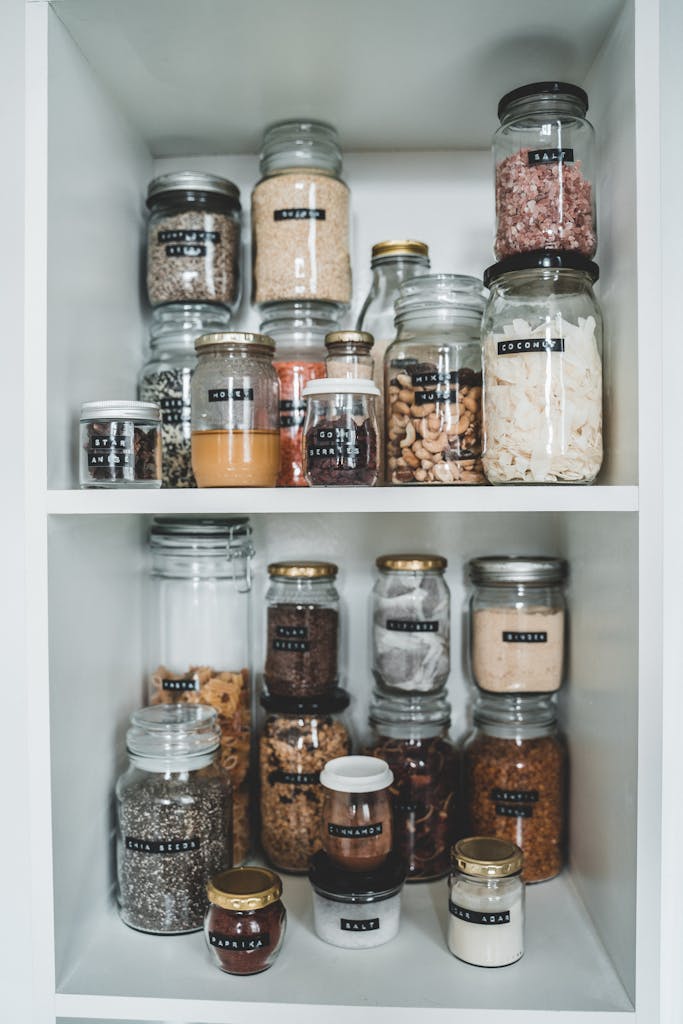
Smoked paprika

Paprika that’s been smoked. It tastes like campfire and peppers.
A teaspoon in soup or stew. It adds smokiness without any actual smoke.
It transforms a plain dish into something that tastes like it’s been cooked slowly.
Saffron

The most expensive spice. The stigmas of a flower dried.
A tiny amount adds color and flavor. It’s floral and earthy.
It’s essential in risotto and paella. It’s also the spice that teaches you about balance.
Too much and it’s too much.
Tamarind paste

The pulp of the tamarind pod. It’s sour and slightly sweet.
It’s used in Indian and Southeast Asian cooking. A spoonful in a sauce.
It adds sour without lime or vinegar. It’s a different kind of acid.
Star anise

A spice that tastes like licorice. It’s used whole or ground.
In tea. In broth.
In curry. It’s strong so a little goes a long way.
It adds complexity that seems wrong until you taste it in context.
Black garlic

Garlic that’s been fermented or aged. It’s black and sweet.
It tastes nothing like regular garlic. It’s umami and slightly sweet.
A few cloves in a sauce. It adds depth that’s hard to explain.
Dried chilies

Whole chiles dried. They’re different from fresh chiles.
Rehydrated and blended into sauce. They add heat and depth.
Different chiles have different heat levels and flavors. Exploring them is a hobby.
Nutritional yeast

Deactivated yeast with a cheesy flavor. It’s not cheese but it tastes similar.
It adds umami and protein. Sprinkled on popcorn.
Mixed into sauces. It’s especially useful in vegan cooking where you need savory depth.
Bonito flakes

Shaved fermented fish. They move when you pour hot broth over them.
In Japanese cooking they’re essential. They add umami and flavor.
They’re also expensive so you use them carefully.
Furikake

A Japanese seasoning blend usually containing sesame seeds, seaweed, and fish. Sprinkled on rice.
On eggs. On vegetables.
It adds salt and umami and texture. A jar lasts for months because a sprinkle is enough.
What they share

These ingredients are all concentrated flavor. They’re all things you add in small amounts.
They’re all things that seem strange until they appear in the right context. They’re proof that cooking is bigger than you think.
That flavors exist that you haven’t tasted yet. That opening yourself to new ingredients opens your palate.