10 Dishes That Were Invented By Accident
Some of the most enduring foods in history started as mistakes, substitutions, or last-ditch solutions. Nobody sat down and planned them.
A pot boiled over, a batch burned, someone ran out of the right ingredient and grabbed the wrong one. What came out the other side was better than what they were trying to make in the first place.
Tarte tatin
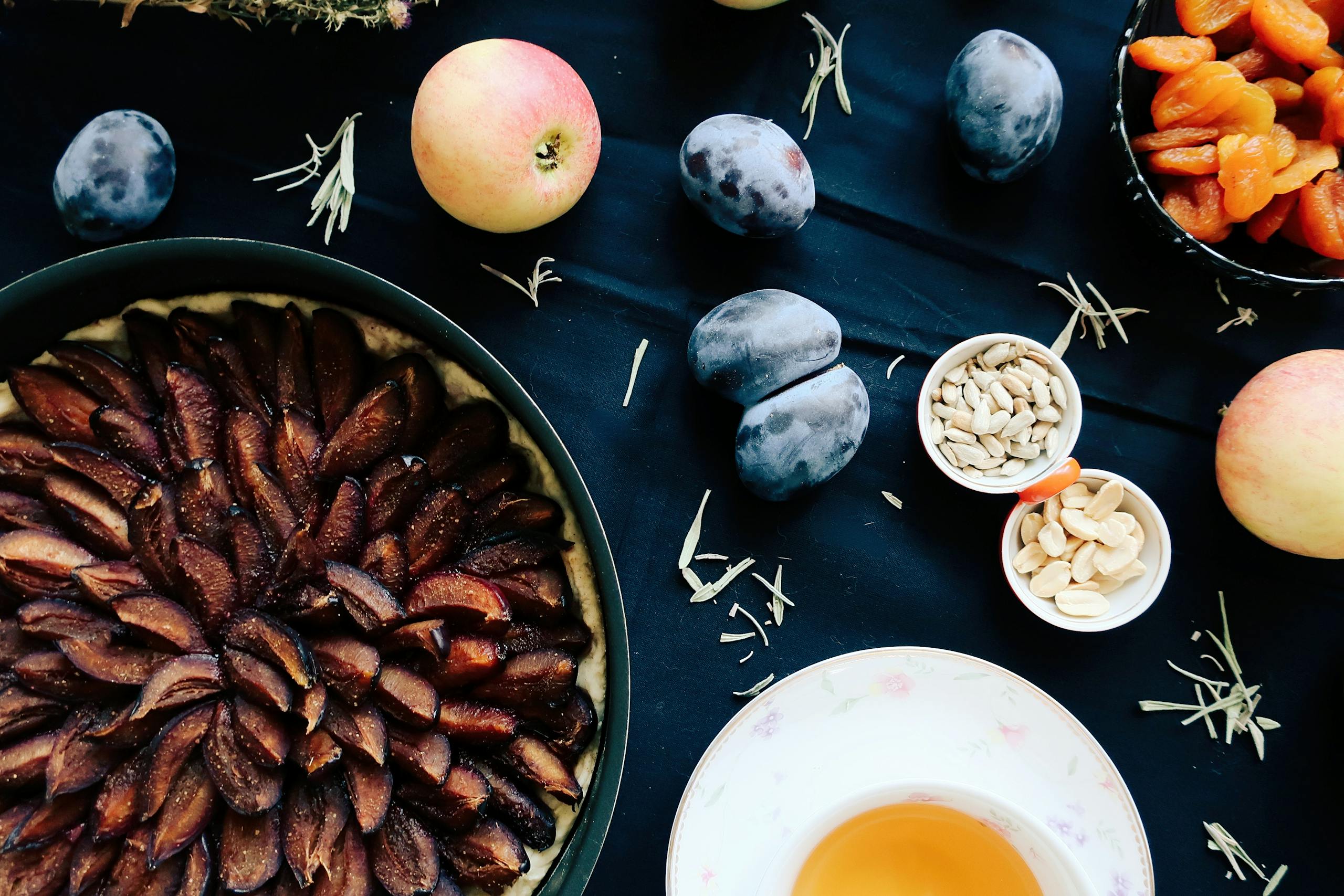
A French innkeeper named Stéphanie Tatin started caramelizing apples for a regular pie in 1888 and left them on the heat too long. She placed the pastry on top and finished it in the oven anyway.
When she flipped it over, the apples were sticky, bronzed, and slightly collapsed. The upside-down tart became the signature dish of the Hotel Tatin in Lamotte-Beuvron and never left the menu.
The accident turned out to be the point.
Chocolate chip cookies

Ruth Wakefield, who ran the Toll House Inn in Massachusetts, ran out of baker’s chocolate in 1938. She broke a Nestlé semi-sweet bar into chunks and folded it into cookie dough, expecting the pieces to melt evenly.
They didn’t. The chunks stayed whole, softening but holding their shape.
Guests requested the cookies constantly. Nestlé eventually printed the recipe on their chocolate packaging, and that arrangement made Wakefield a lifetime supply of chocolate.
A reasonable trade.
Popsicles
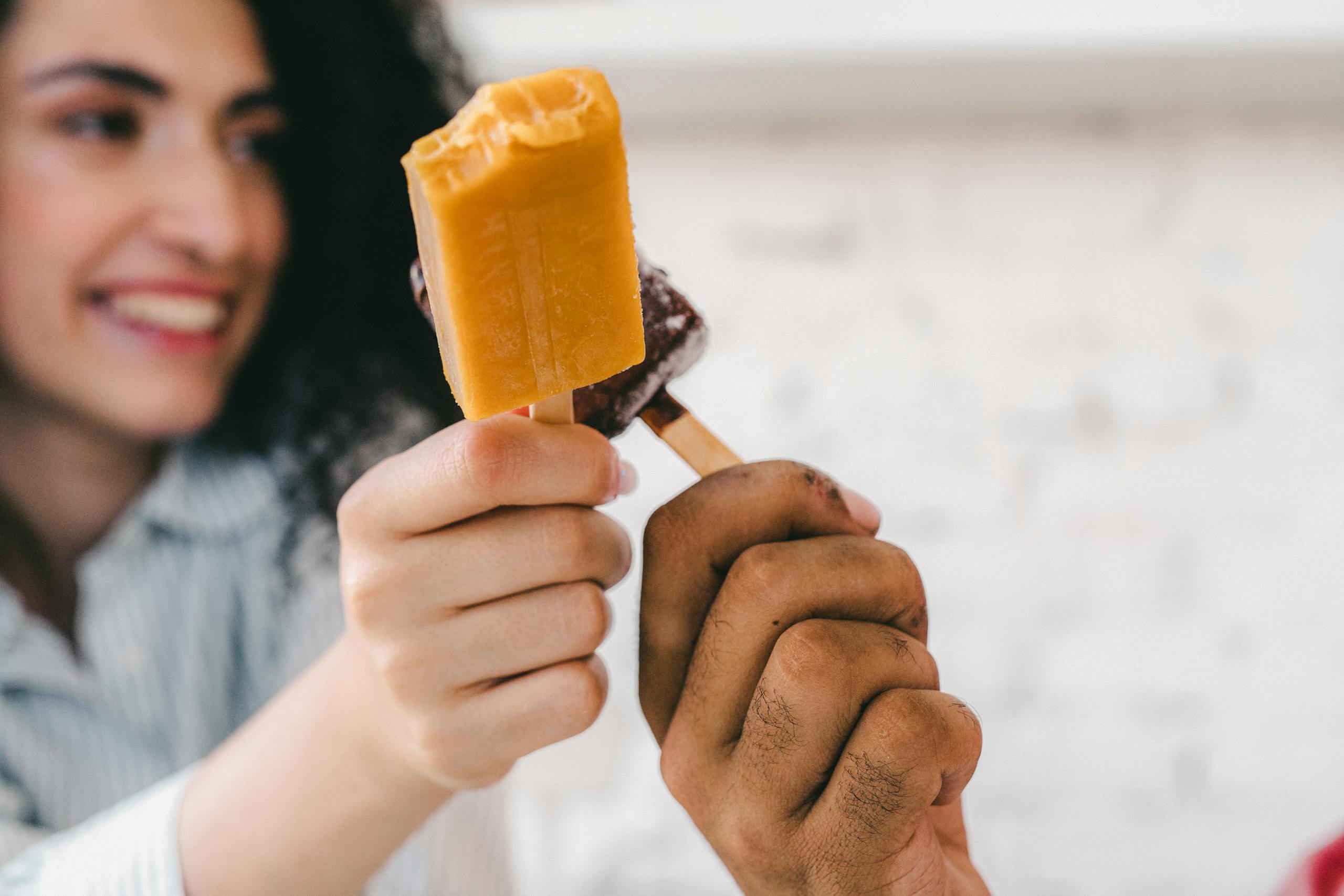
Frank Epperson was eleven years old in 1905 when he left a glass of powdered soda water and a stirring stick on his San Francisco porch overnight. The temperature dropped.
In the morning he found the drink frozen solid around the stick. He called it an Epsicle for years, selling them at an amusement park as an adult.
His children eventually convinced him to rename them after their nickname for him. The Popsicle trademark was sold to a lemonade company in 1925, which is when the treat went national.
Worcestershire sauce
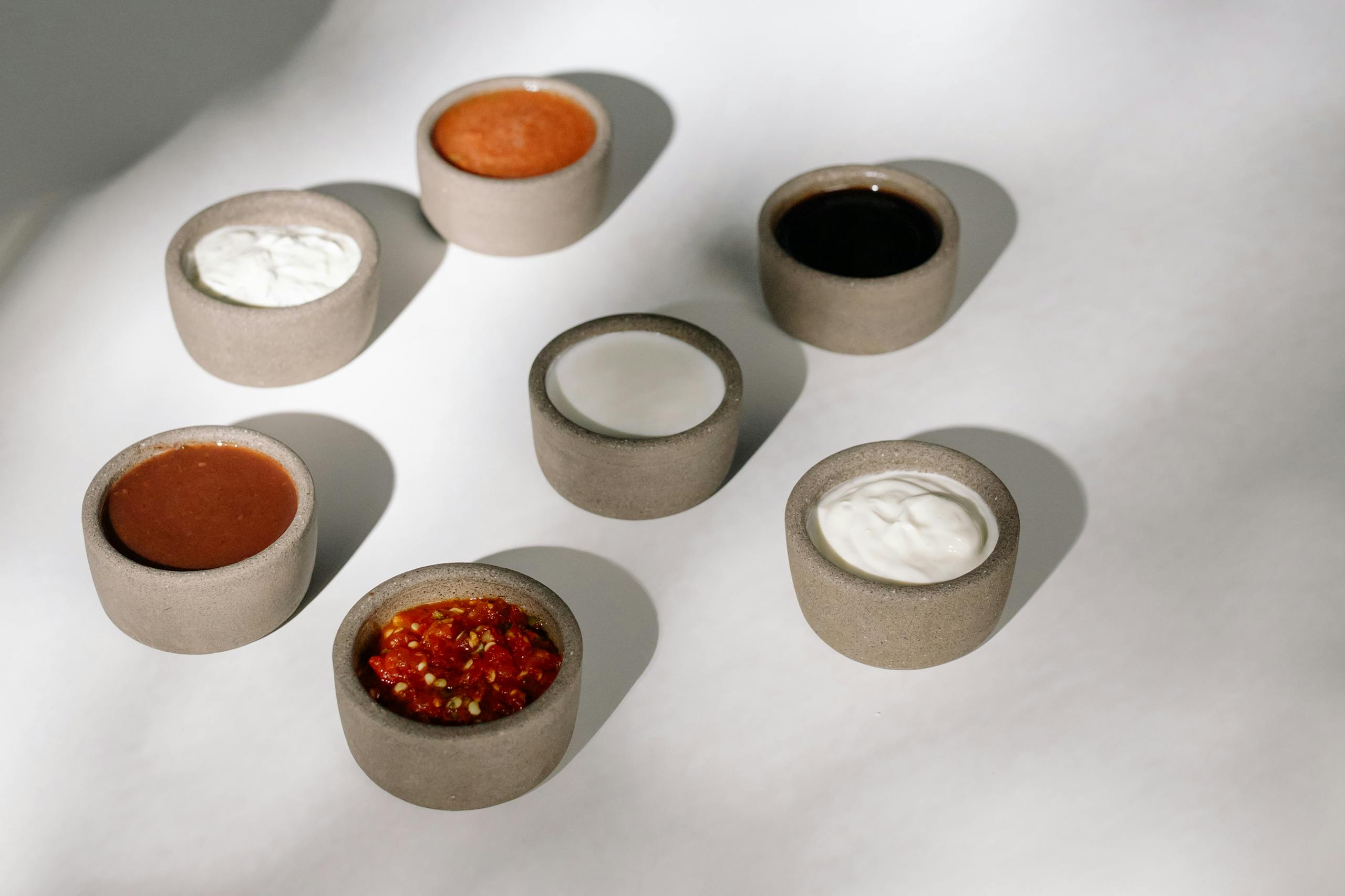
In 1835, Lord Marcus Sandys returned from Bengal and hired pharmacists John Wheeley Lea and William Perrins to recreate a sauce he’d tasted in India. The first batch was so pungent and sharp that everyone agreed it was inedible.
The barrel was moved to a cellar and forgotten. A year or two later, someone opened it again.
The fermentation had transformed it into something complex and savory. The pharmacists bought the recipe, started selling it, and never looked back.
Corn flakes

John Harvey Kellogg and his brother Will were running a sanitarium in Michigan in 1894 when a batch of boiled wheat was left sitting too long and went stale. Instead of throwing it out, they rolled it thin and baked it.
Each grain puffed into a separate flake. Will later applied the same process to corn and added sugar, which his brother strongly opposed.
The two had a falling out over the sugar question. Will started his own company.
The breakfast cereal industry is essentially built on that argument.
Brandy
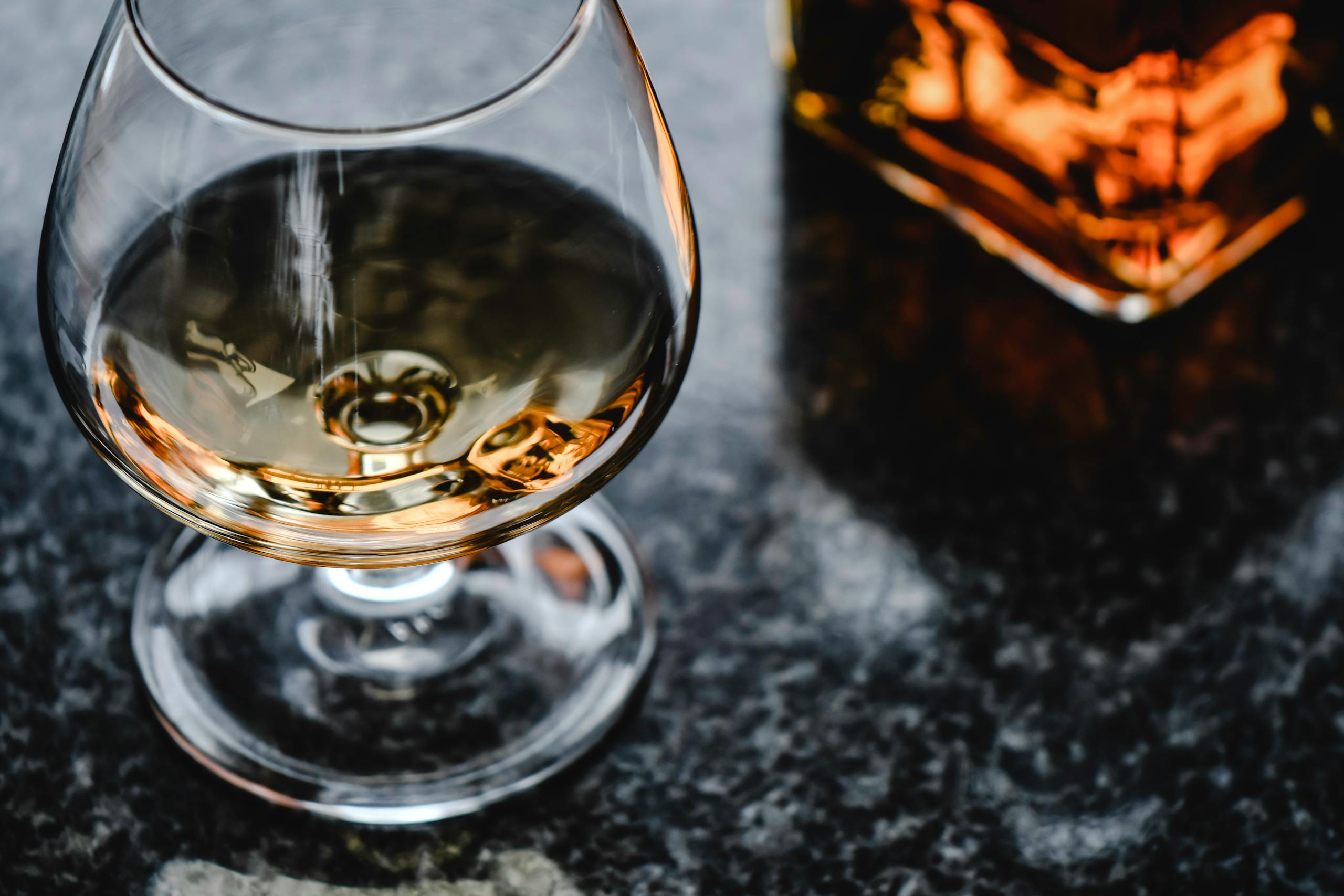
The story goes that a Dutch trader in the 16th century started concentrating wine by boiling it down to reduce the volume and make shipping easier. The plan was to add water back at the destination and restore the original drink.
Somewhere along the way, people tasted the concentrated version and decided they preferred it. Brandewijn, meaning “burnt wine” in Dutch, eventually shortened into brandy.
It was never supposed to be a final product. It became one anyway.
Nashville hot chicken

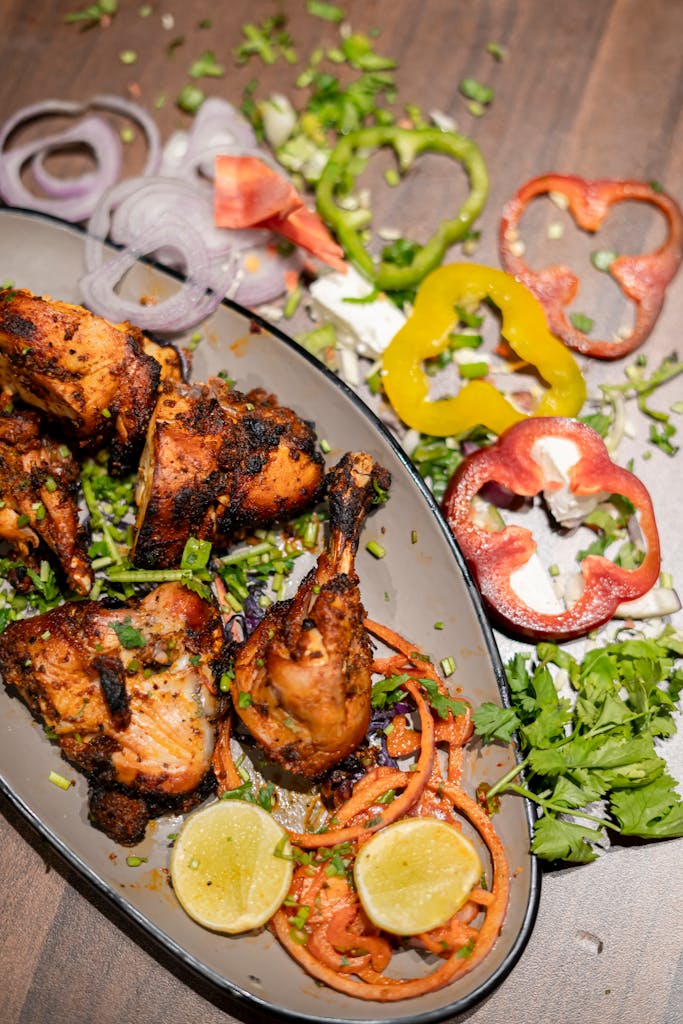
Thornton Prince III came home late in 1930s Nashville and his girlfriend, furious at him, cooked him a piece of fried chicken loaded with cayenne pepper and other hot spices. The intention was punishment.
Prince loved it. He refined the recipe and opened Prince’s Hot Chicken Shack with his brothers.
The restaurant still operates in Nashville. The dish became a regional institution that the rest of the country eventually caught up with, roughly eighty years later.
Dippin’ Dots
Curt Jones was working as a microbiologist in 1987, experimenting with flash-freezing animal feed using liquid nitrogen. He tried the same process with ice cream mix out of curiosity.
The liquid nitrogen froze the ice cream instantly into tiny beads. The texture was unlike anything available commercially.
He spent years trying to get grocery chains to carry it, but the required storage temperature was too extreme for most retailers. The product ended up at theme parks and sporting venues instead, which turned out to be exactly the right context for tiny frozen beads of ice cream.
Potato chips

At Moon’s Lake House in Saratoga Springs, New York, a customer in 1853 kept sending back his fried potatoes for being too thick and too soggy. The chef, George Crum, sliced a new batch paper-thin out of frustration, fried them until they were hard, and salted them heavily.
There was nothing soft about them. The customer was delighted.
Other diners started requesting the same thing. “Saratoga chips” spread from there and eventually became a nationwide product that’s now sold in quantities that would stagger the chef who made the first batch out of spite.
Champagne

The myth credits Dom Pérignon with inventing champagne, but the truth is he spent most of his career trying to prevent the bubbles. Secondary fermentation in the bottle was considered a flaw.
The bottles sometimes exploded. English scientists, not French winemakers, were the first to understand and document the carbonation process in the late 17th century.
It was English merchants who started marketing the bubbles as desirable. The French eventually came around.
Now the region’s name is synonymous with celebration worldwide, which is a remarkable outcome for something that started as a quality control problem.
What failure actually produces

The through line in all of these is that the accident worked because someone paid attention instead of walking away. A mistake thrown out is just a mistake.
A mistake tasted, studied, and served again is something else. Most of what we take for granted on a table today was someone’s second attempt at something different.