10 Things Professional Cooks Do That Most Home Cooks Skip
Restaurant kitchens are not magic. The food that comes out of them is better for specific, learnable reasons.
Most of those reasons are not expensive equipment or rare ingredients. They are habits, built through repetition, that change how everything else works.
These are the ones that translate most directly to a home kitchen.
They set up their station before they start cooking

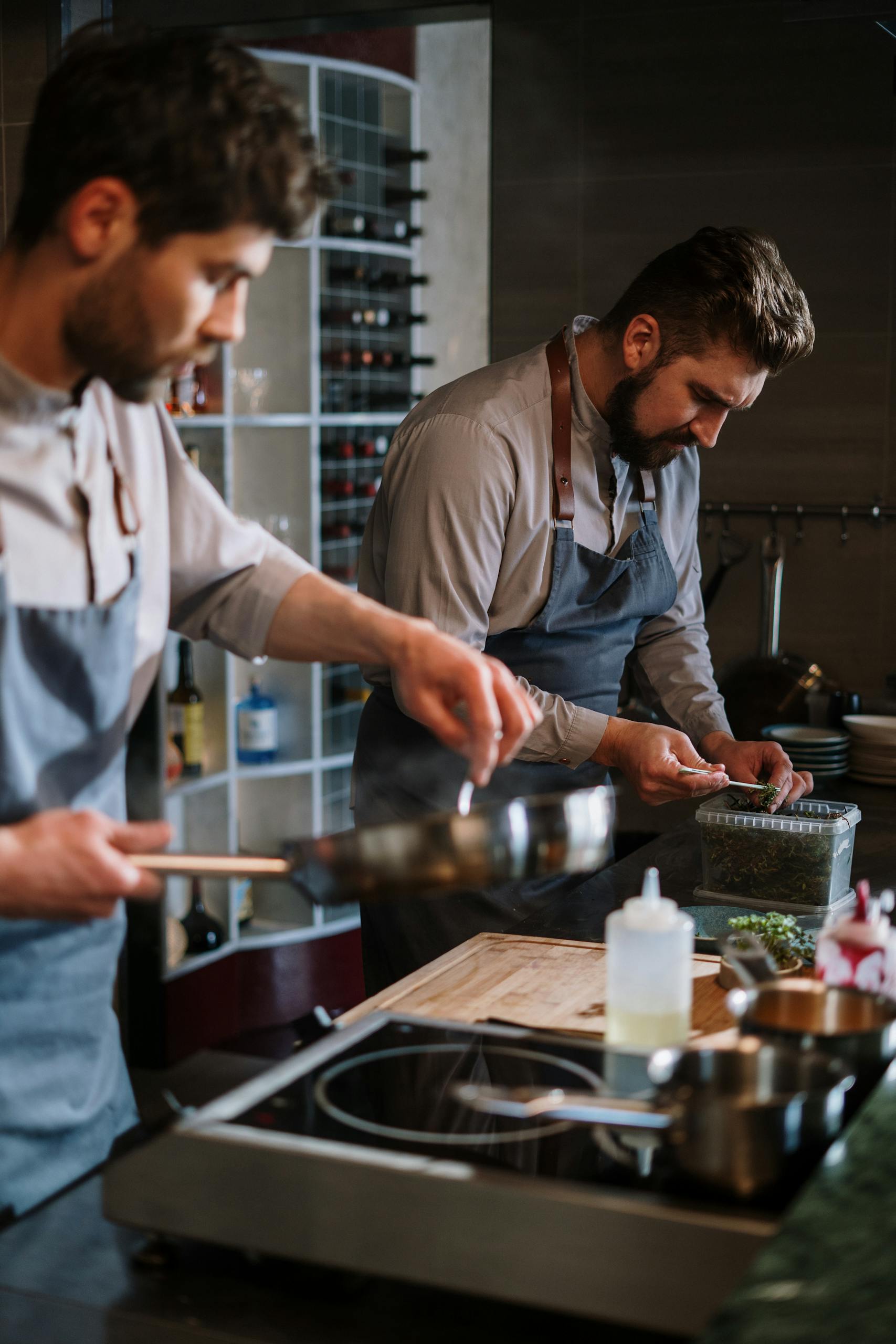
In professional kitchens, mise en place is not a suggestion. Every ingredient is prepped, portioned, and within arm’s reach before the first burner is lit.
Home cooks tend to chop while things are already in the pan, which leads to rushed prep, uneven cuts, and the near-universal experience of something burning while you’re still peeling garlic. Spending ten minutes organizing before you turn on the heat changes the entire flow of cooking.
You move from reactive to deliberate. The food notices.
They taste constantly

A line cook tastes a sauce before it goes on the pass. Then again after seasoning.
Then again before it leaves. Tasting is not a final check; it is the primary method of building flavor.
Most home cooks taste once at the end, when the window to adjust has largely closed. Salt added in the last thirty seconds sits on top of a dish.
Salt added thirty minutes earlier integrates into it. Tasting throughout the process is how you understand what a dish needs before it’s too late to give it.
They dry their proteins before cooking

Surface moisture is the enemy of a good sear. Wet chicken, wet fish, and wet steak all steam in the pan before they can brown, and steaming is not searing.
Professional cooks pat proteins dry with paper towels as a standard step, not an optional one. When time allows, they leave proteins uncovered in the refrigerator for an hour or more so the surface dries further.
The result is a crust that forms quickly and holds. The interior stays juicier because the exterior sealed faster.
They season every layer

A finished dish that tastes flat usually got there because only the surface was seasoned. Professional cooks salt the pasta water, season the sauté base, adjust the sauce mid-cook, and taste again before plating.
Salt is not a finishing move. It is a building tool used at every stage.
The same applies to acid and fat. A splash of lemon juice stirred into a braise an hour before it finishes is a different contribution than lemon squeezed on at the table.
Both have a role. Using them at the right moment requires knowing when that is.
They let the pan get hot before adding oil

Adding oil to a cold pan, then waiting for both to heat together, produces uneven results. The oil disperses, pools, and starts smoking in some spots before others are ready.
Professional cooks heat the dry pan first until it’s hot, then add oil and watch for the shimmer that signals it’s ready. The food goes in immediately after.
This sequence produces consistent heat across the surface of the pan and a more even result, especially for searing. The difference is most visible with eggs and fish, where uneven heat shows up immediately.
They finish pasta in the sauce

Most home cooks drain pasta completely and pour sauce on top. Professional cooks pull the pasta slightly undercooked, transfer it directly into the sauce with a ladle of pasta water, and finish cooking it together over heat.
The starchy pasta water emulsifies with fat in the sauce and creates a coating rather than a pooling. The pasta absorbs flavor as it finishes cooking.
The sauce clings. This technique applies to virtually every pasta preparation and the difference between pasta sauced on top versus pasta finished in the sauce is noticeable on the first bite.
They use weight, not volume, for baking

Measuring flour by volume is imprecise because the way flour is scooped affects how much fits in the cup. A packed cup of flour can weigh nearly twice as much as a properly aerated one.
Professional bakers use scales because weight is consistent regardless of how the flour sits. A gram is a gram.
If you bake regularly and have not switched to a kitchen scale, this single change will improve your results more than any other adjustment. Recipes from professional pastry kitchens are written in grams for this reason.
They save pasta water, braising liquid, and pickle brine
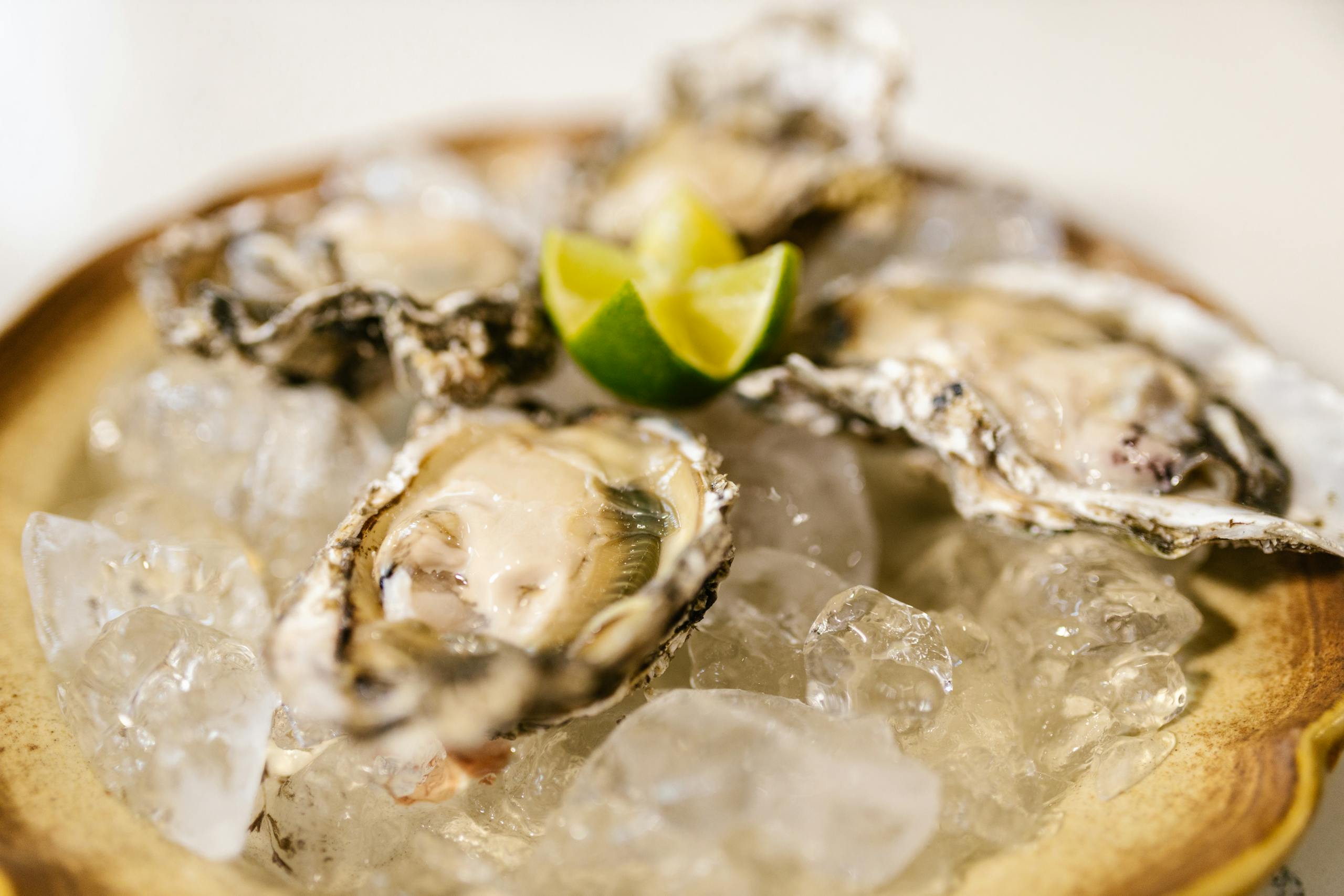
Nothing leaves a professional kitchen that can still do work. Pasta water is a sauce thickener and emulsifier.
Braising liquid is a ready-made sauce or soup base. Pickle brine seasons salad dressings, marinades, and brines for poultry.
The salty, acidic liquid left in a jar of pickles does the same thing a properly made brine would do, in less time. Home cooks pour these down the drain as a matter of habit.
The habit costs flavor that takes time to rebuild from scratch.
They use high heat for vegetables

Roasted vegetables that come out soft and pale were cooked at too low a temperature. Professional cooks roast vegetables at high heat, typically 425°F to 450°F, with enough space on the pan that they roast rather than steam.
Crowding a pan drops the temperature and traps moisture. Spread the vegetables in a single layer with room between pieces.
Use more pans if needed. The goal is caramelization and some browning at the edges, which is where flavor concentrates.
Vegetables cooked this way taste like more than they are.
They clean as they go
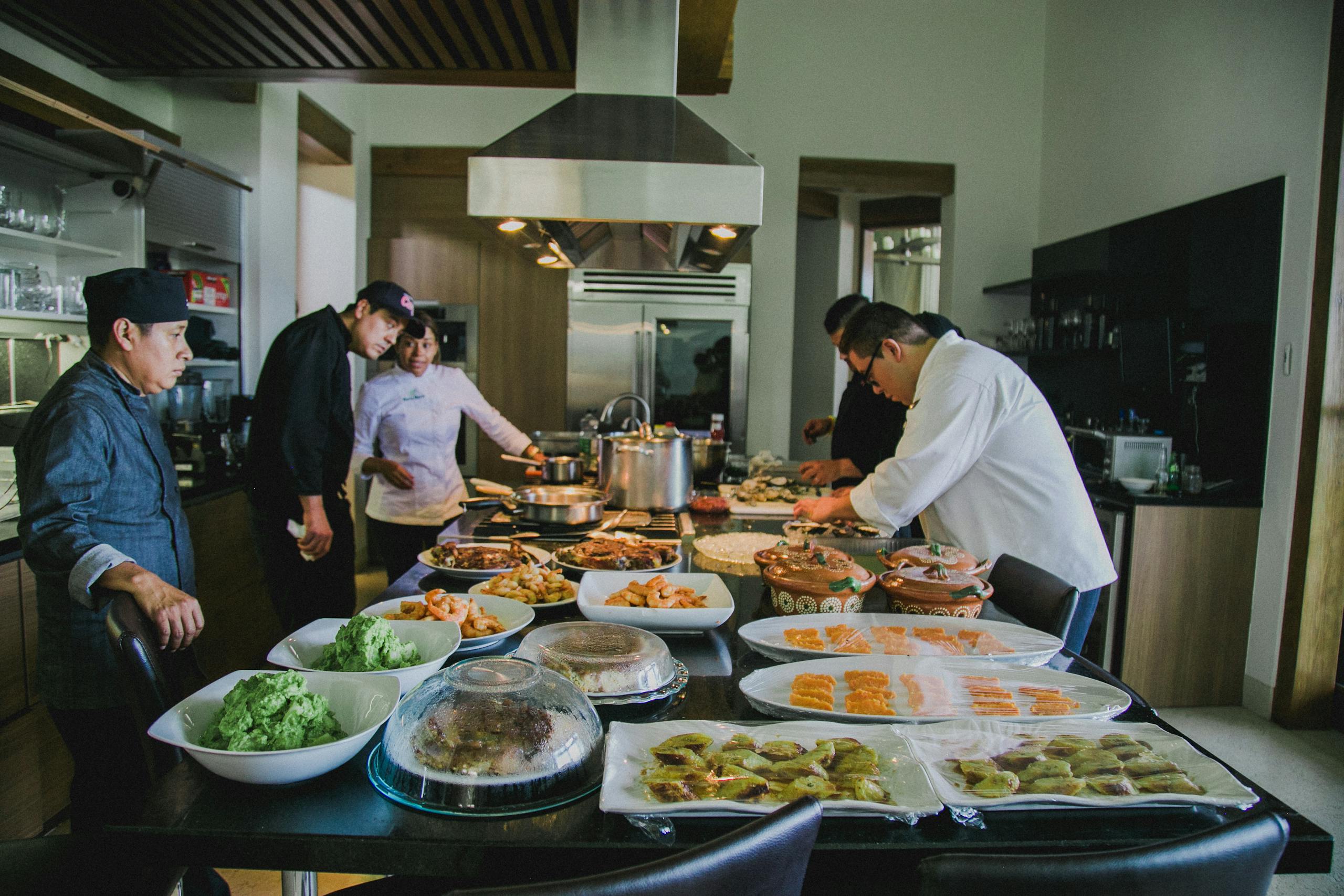
A chaotic workspace slows cooking and increases mistakes. Professional cooks wipe down surfaces, return ingredients to their containers, and wash bowls and tools while things are simmering.
A clear station between tasks means faster movement, easier access to what you need, and a kitchen that doesn’t require a full hour of cleanup after dinner is already done. The habit takes practice to build.
Once built, it changes how cooking feels, from something that creates a mess to something that stays manageable from start to finish.
The real difference

Professional cooks are not using better ingredients or harder techniques. They are applying consistent attention to the moments that home cooks tend to rush past.
Most of these habits take less time than the problems they prevent.