
12 Storage Mistakes That Ruin Perfectly Good Ingredients
Most food doesn’t go bad because of age. It goes bad because of where it was put.
Temperature, light, moisture, and proximity to other foods all affect how long something stays usable and how good it tastes when you finally use it. These are the storage mistakes that happen in almost every kitchen, and what to do instead.
Storing tomatoes in the refrigerator
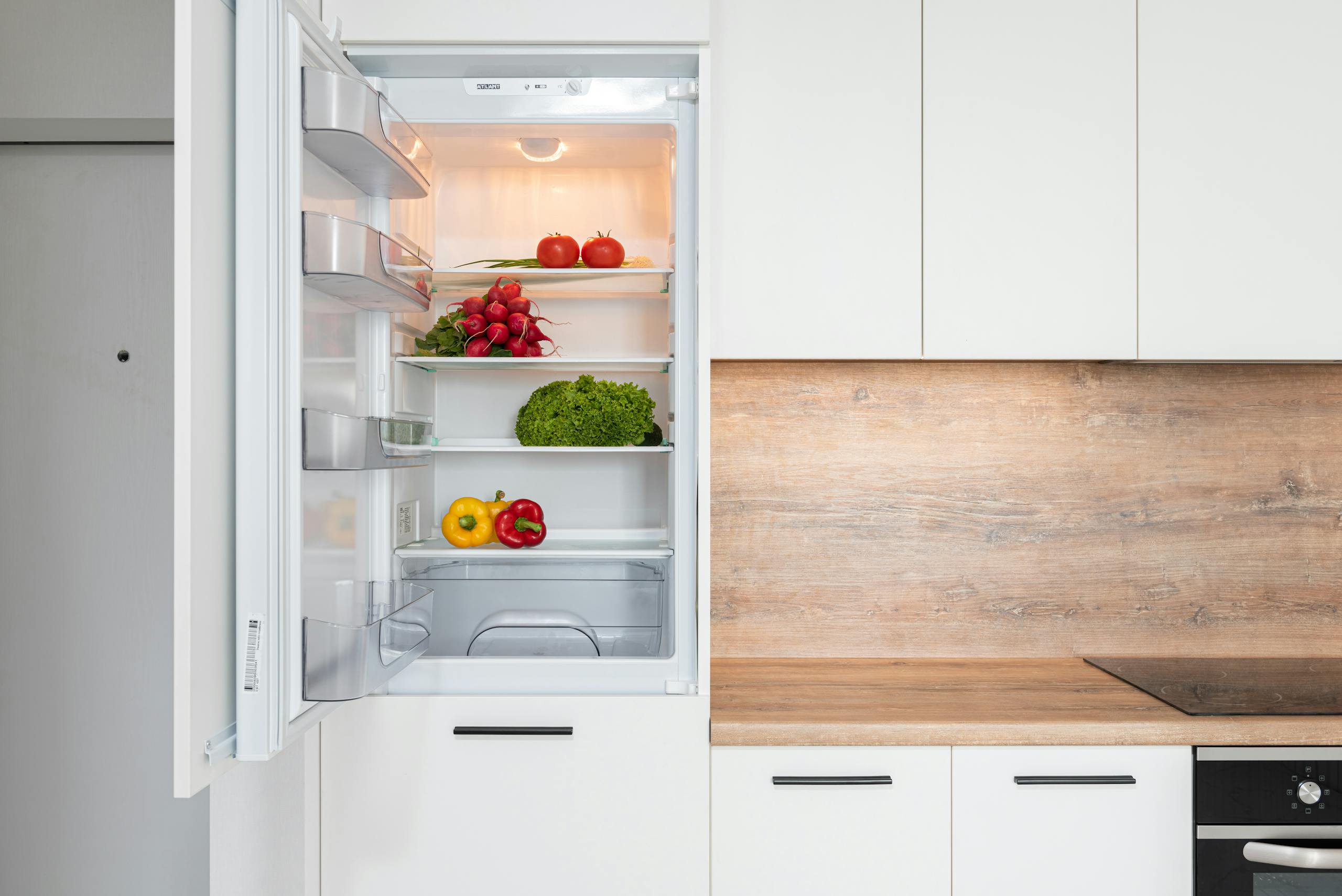
Cold temperatures break down the cell walls and volatile compounds in tomatoes that give them flavor and texture. A refrigerated tomato goes mealy and flat within days.
The cold stops the ripening process rather than pausing it well, which means a tomato stored cold before it’s fully ripe will never fully ripen. Store tomatoes at room temperature, stem side down to slow moisture loss, away from direct sunlight.
Eat them within a few days of peak ripeness. If they’re already cut, wrap the cut surface and refrigerate briefly, but use them the same day.
Keeping onions and potatoes together
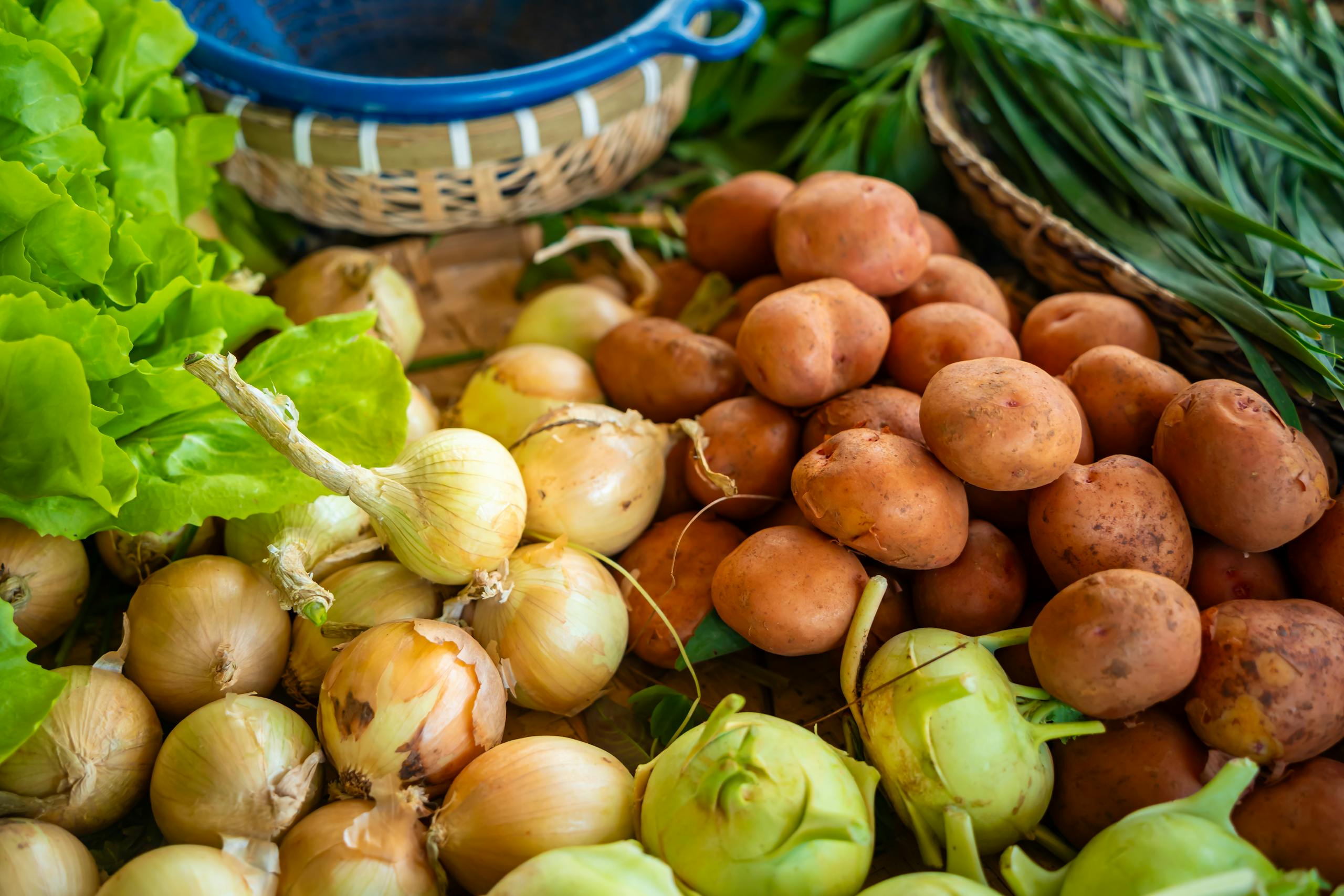
Onions emit ethylene gas and moisture as they sit. Potatoes absorb both, which accelerates their sprouting and speeds their decline.
This is one of the most common and least-known storage conflicts in a home kitchen. Store them in separate cool, dark, ventilated spaces.
A paper bag works well for both. Neither belongs in the refrigerator: cold turns potato starch to sugar, changing both the flavor and the way they cook, and refrigerated onions become soft and lose their sharp bite.
Storing fresh herbs like vegetables
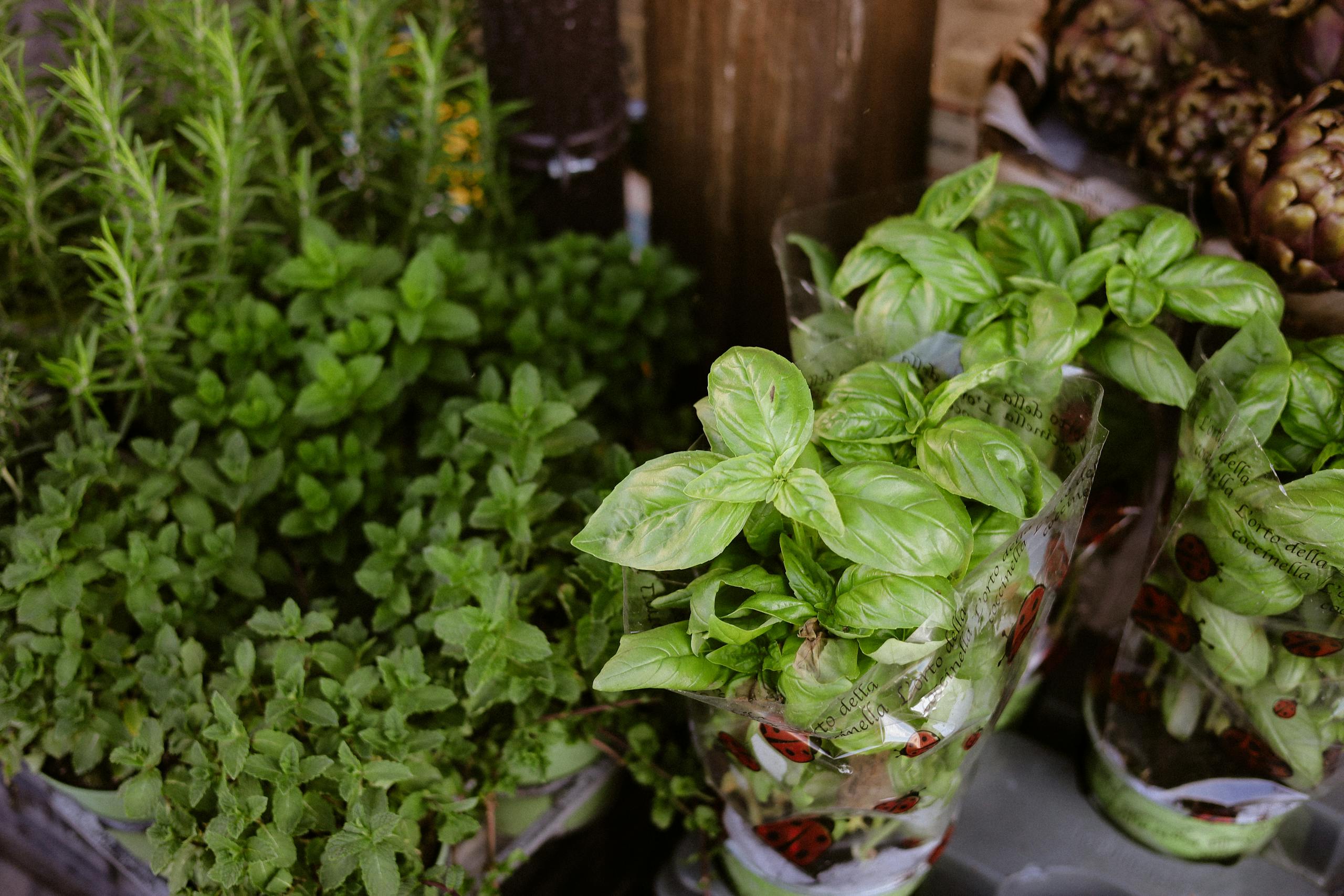
Fresh tender herbs, parsley, cilantro, basil, and mint, die in the refrigerator drawer because they’re being treated like produce rather than like cut flowers. Trim the stems and place them upright in a glass of water.
Cover loosely with a plastic bag and refrigerate, except for basil, which hates cold and does better on the counter. Done this way, parsley and cilantro stay fresh for up to two weeks.
Stored in a bag in the crisper drawer, they turn yellow and slimy within four or five days. The container is the intervention.
Leaving olive oil next to the stove
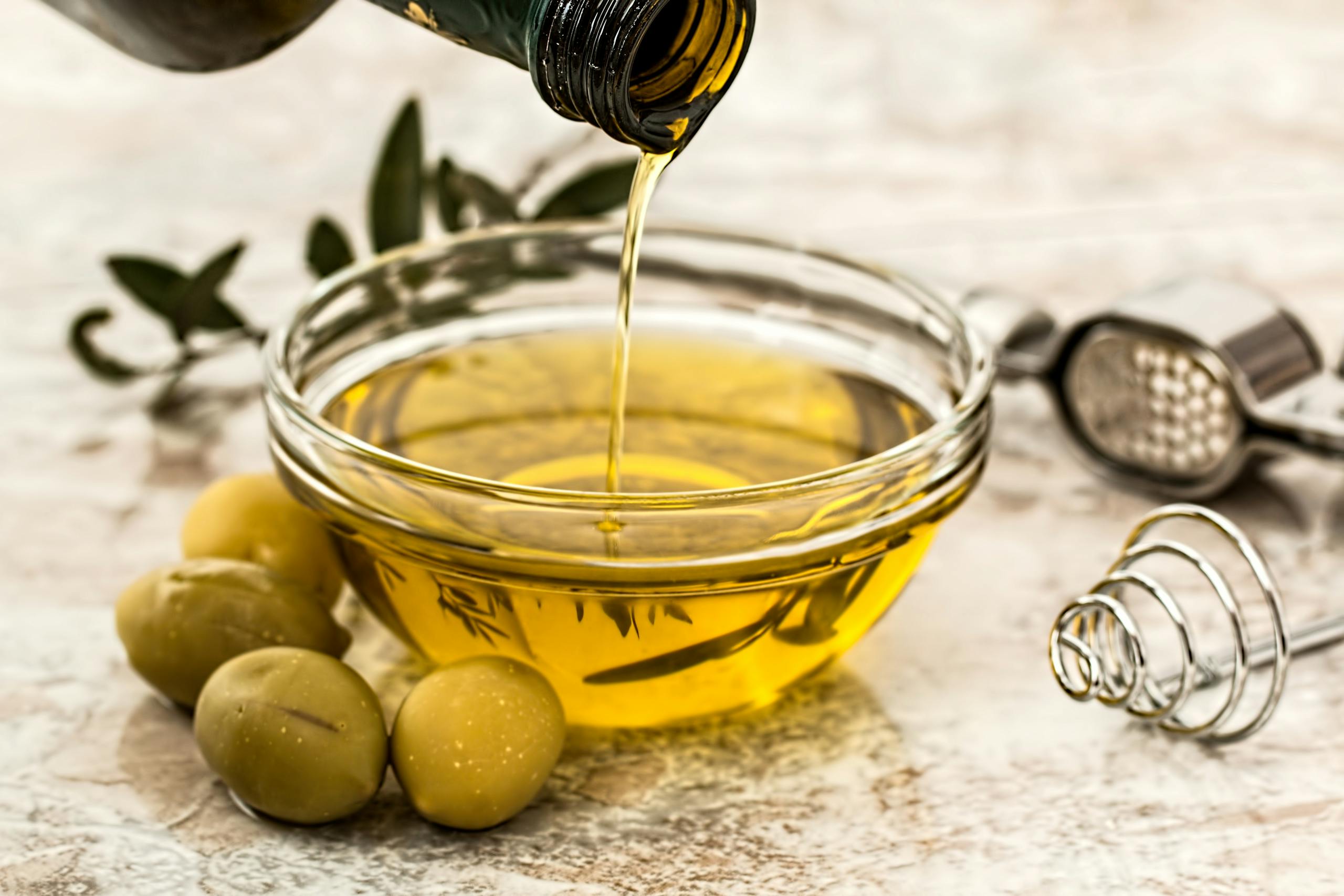
Heat and light degrade olive oil faster than almost anything else. A bottle kept next to the stove, which is warm constantly and often in direct light, will go rancid significantly faster than one stored in a cool, dark cabinet.
Rancid olive oil doesn’t smell obviously off the way spoiled meat does; it tastes flat, slightly waxy, and slightly bitter in the wrong way. Store olive oil in a dark cupboard away from the stove and use it within a few months of opening.
Buy it in quantities you’ll finish quickly rather than in the largest bottle available.
Refrigerating bread
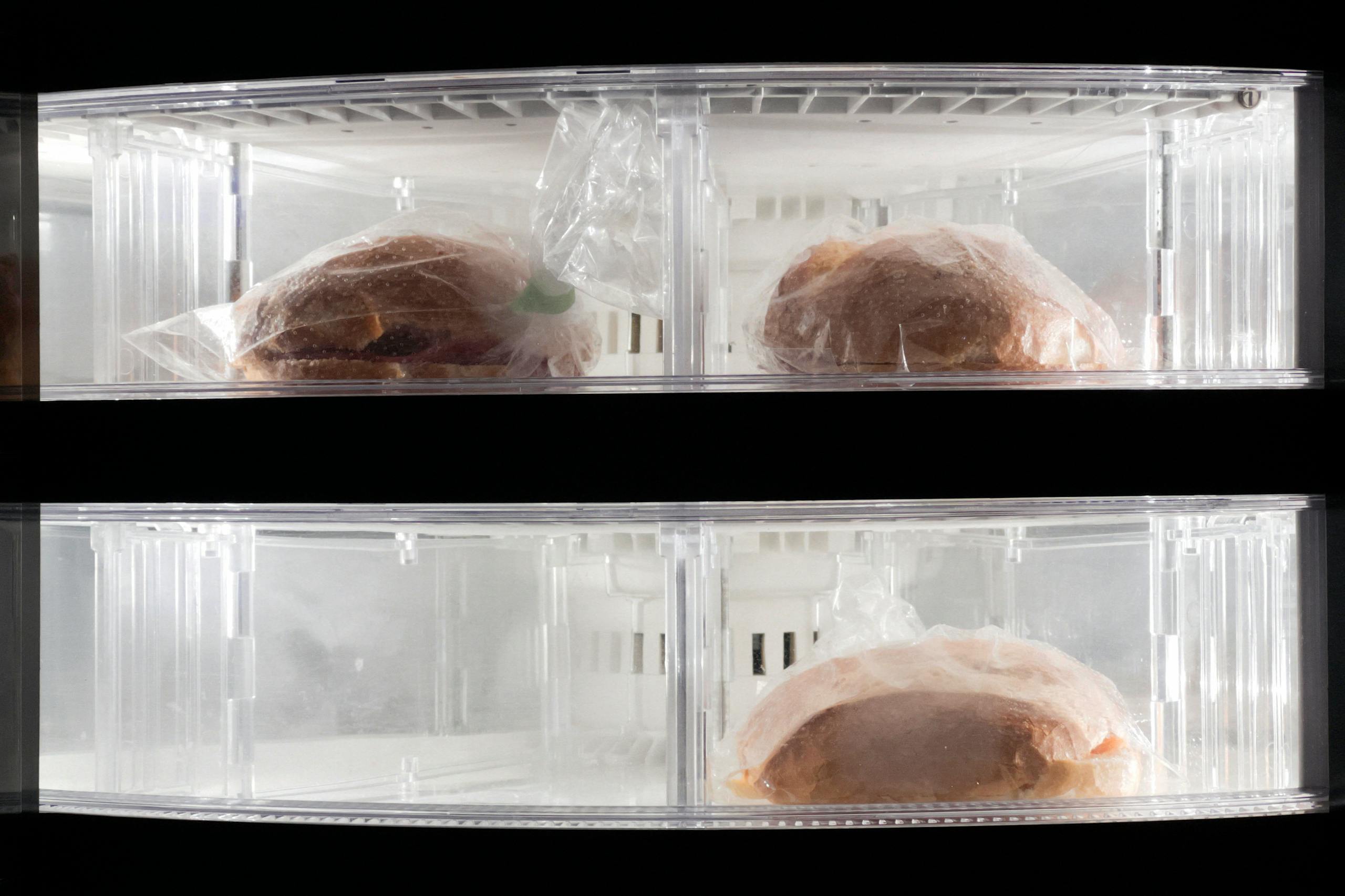
Bread goes stale faster in the refrigerator than at room temperature. The culprit is retrogradation, a process where starch molecules recrystallize in cold temperatures, making bread firm and dry.
The refrigerator feels like preservation but is actually accelerating the decline. Store bread at room temperature in a bread box, a paper bag, or wrapped in a clean cloth for up to three days.
For longer storage, slice and freeze it. Frozen bread toasted directly from frozen is better than three-day-old refrigerated bread reheated.
Washing berries before storing them
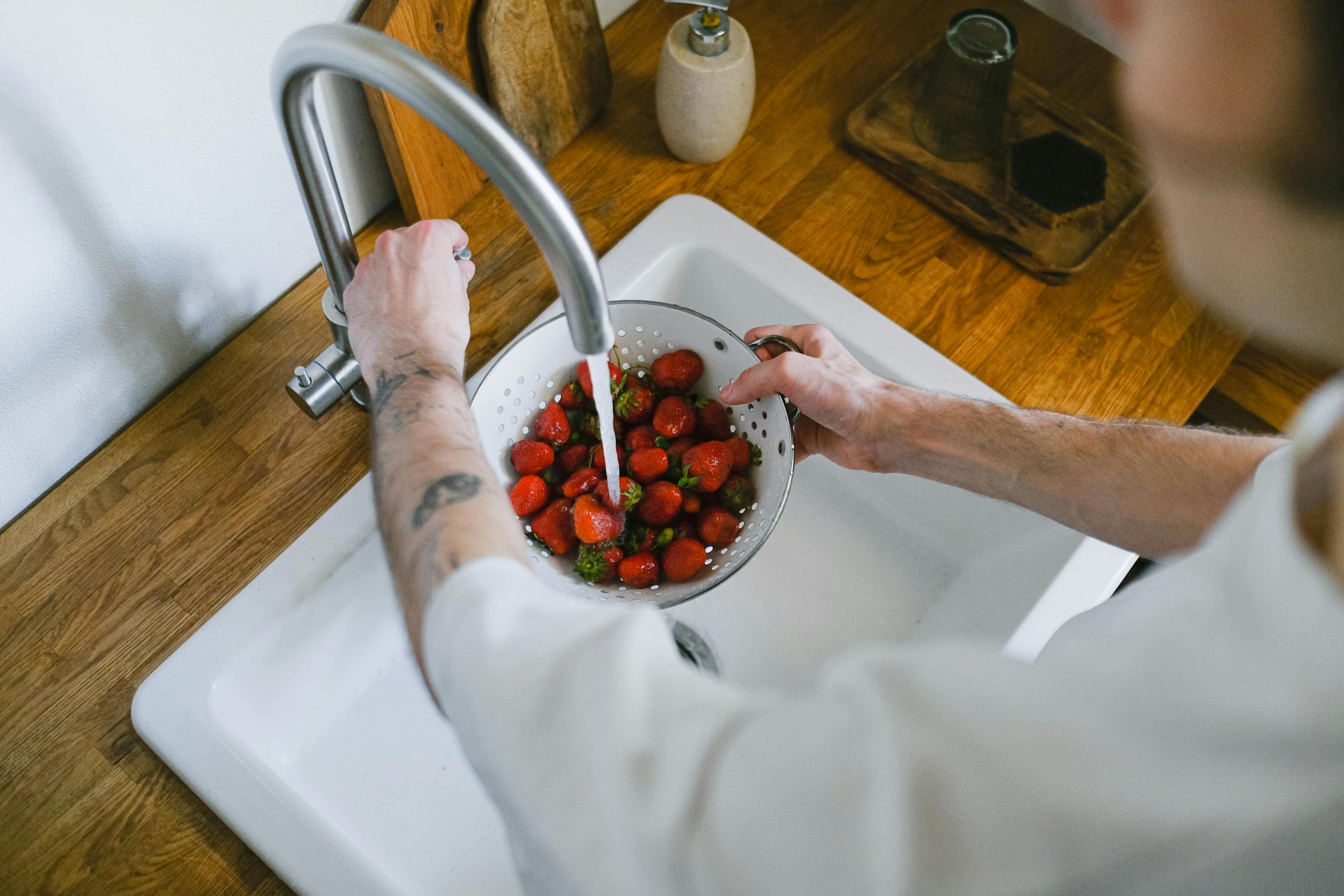
Moisture on the surface of berries accelerates mold growth dramatically. Rinsing strawberries, blueberries, and raspberries right after you bring them home, then storing them damp, is why they go moldy within a day or two.
Wash them only immediately before eating. Store them dry in the container they came in, or loosely spread on a paper-towel-lined plate in the refrigerator.
The paper towel absorbs any excess moisture. This single change can extend the life of fresh berries by three to five days.
Keeping spices above the stove
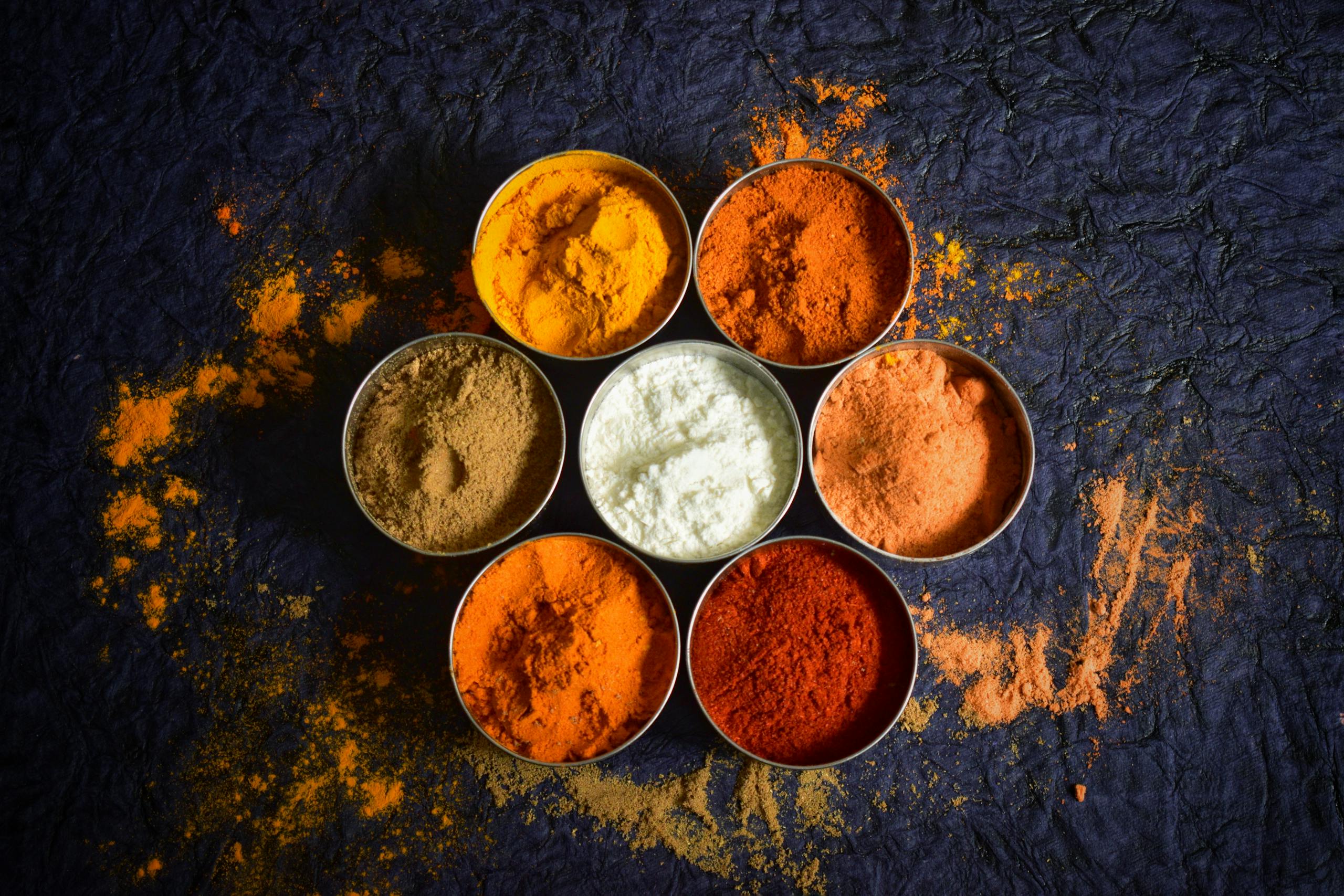
Heat and humidity rise from the stovetop and collect wherever the spices sit. Storing spices in a rack directly above the stove exposes them to the worst possible conditions: repeated heat from cooking, steam from boiling pots, and light if the rack is near a window.
Spices don’t spoil dangerously, but they lose their potency significantly faster under these conditions. Move them to a cool, dark drawer or cabinet.
If a spice crumbled between your fingers smells like almost nothing, it’s been compromised and no quantity of it will fix a dish.
Storing garlic in the refrigerator
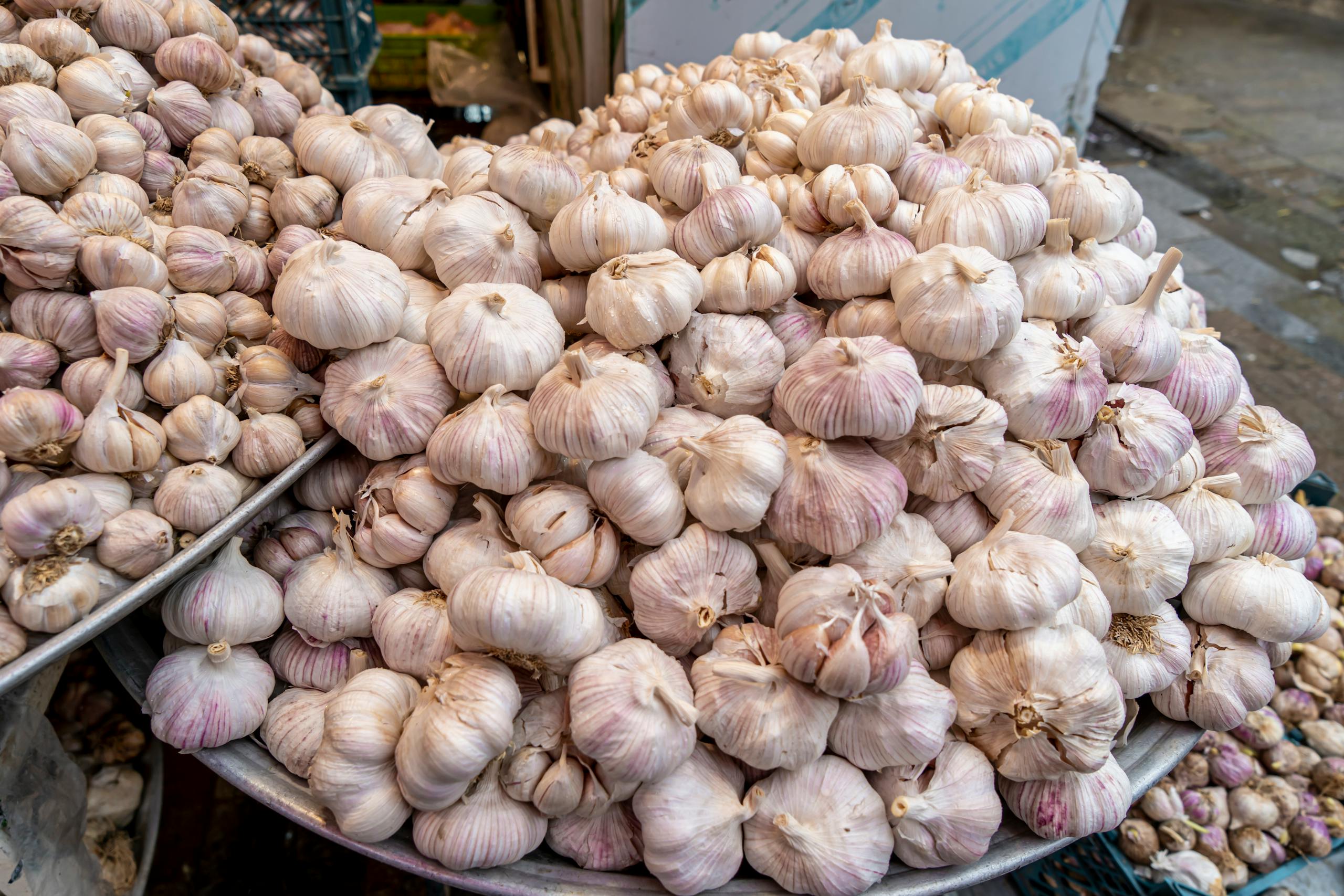
Garlic belongs in a cool, dry, ventilated spot at room temperature, not in the refrigerator. Cold and humidity cause it to sprout and go soft far faster than it would otherwise.
A mesh bag, a small ceramic crock with air holes, or simply a loose pile in a cool cupboard works well. Properly stored at room temperature, a whole head of garlic lasts for weeks to months.
Once a clove develops a green sprout, the flavor has become sharper and more bitter. It’s still usable, but the sprout itself tastes unpleasantly strong and is worth removing.
Keeping coffee in the freezer
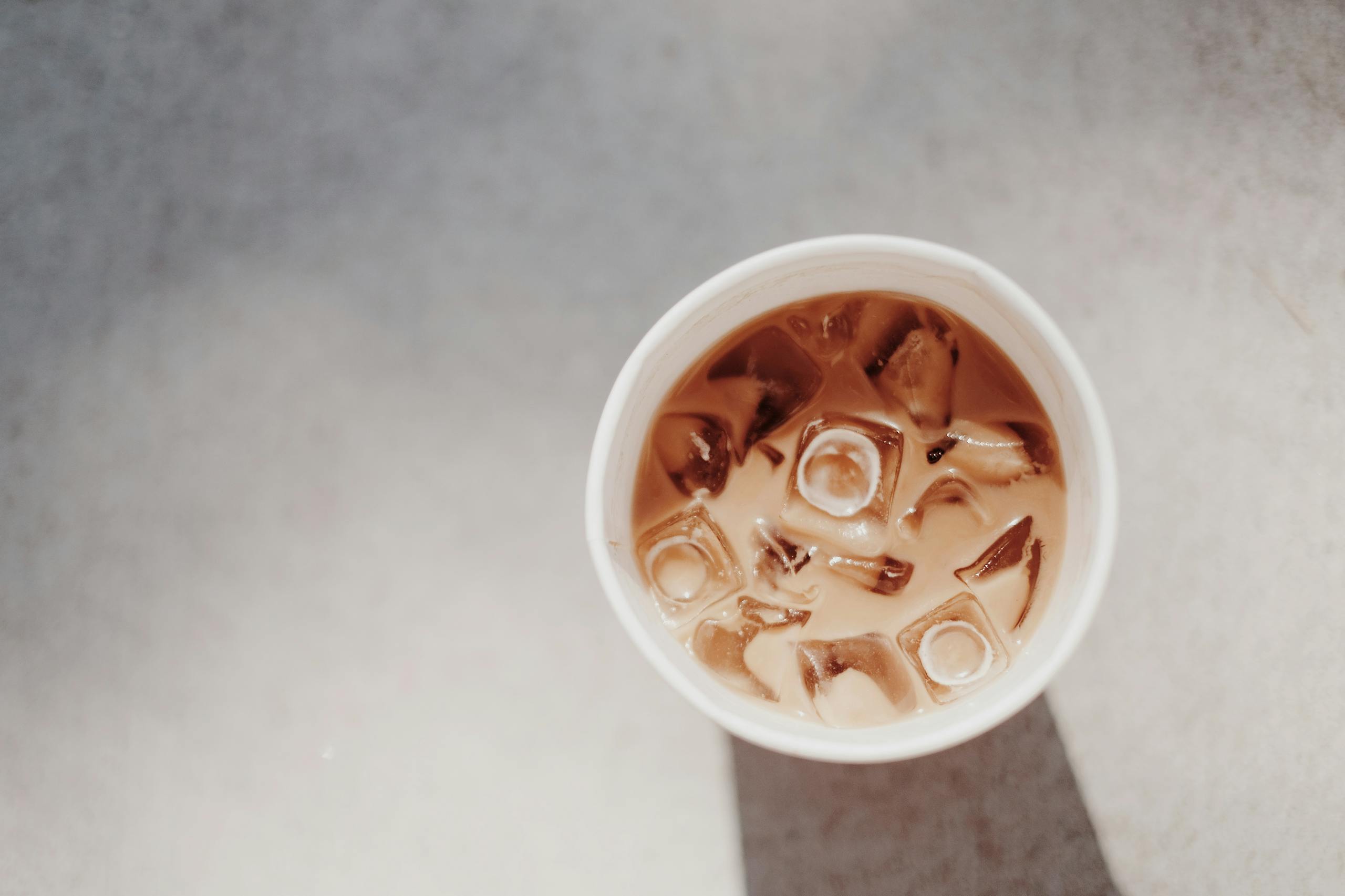
Freezing coffee is a debated topic, but the everyday habit of keeping a bag of ground coffee in the freezer has a clear problem: condensation. Every time you open the bag and bring it to room temperature, moisture condenses on the grounds.
Repeated cycles of freeze, thaw, and partial use introduce moisture that degrades flavor and accelerates staleness. Ground coffee stays fresh for about a week after opening at room temperature in an airtight container.
Whole beans last two to three weeks. Buy smaller quantities more often rather than freezing large batches.
Leaving cut avocado exposed to air
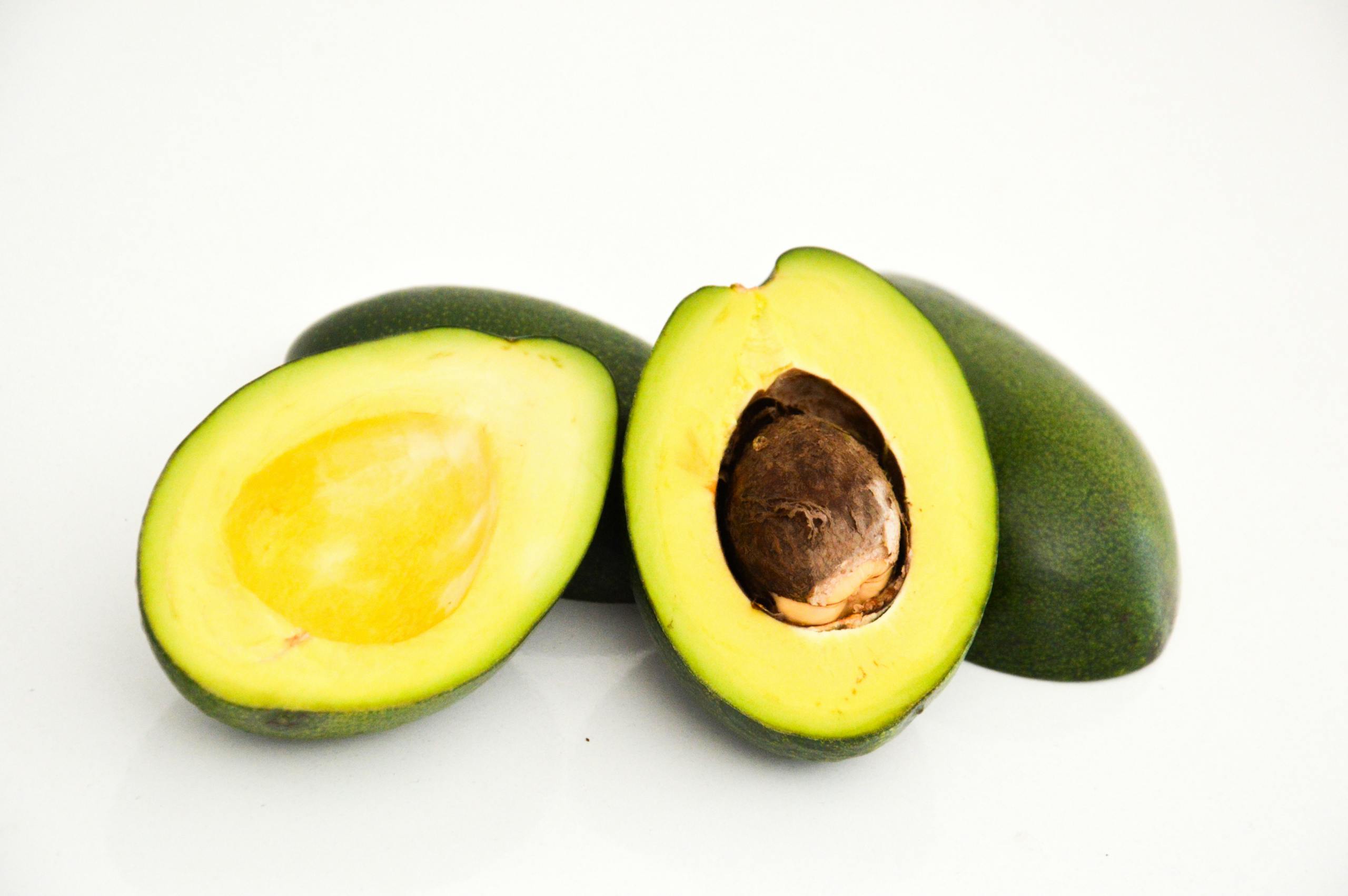
Avocado flesh browns because of oxidation, an enzyme reaction triggered by exposure to oxygen. The common remedy of leaving the pit in the unused half works only for the small area directly under it.
What actually slows browning is minimizing surface exposure to air. Press plastic wrap directly onto the cut surface with no air gap, or store it cut-side down on a plate.
A very thin layer of olive oil rubbed on the surface before wrapping creates a modest barrier. Lemon or lime juice delays oxidation slightly through acidity.
Use it within a day regardless.
Storing nuts and seeds at room temperature long-term

Nuts and seeds are high in fat, and fat goes rancid. At room temperature, shelled nuts last only a few weeks before the oils start to degrade.
Most people buy a large bag, keep it in the pantry, and use it over months without noticing the slow decline in flavor. Rancid nuts taste bitter and slightly sour.
The solution is to keep a small working supply at room temperature and freeze the rest in an airtight bag. Frozen nuts last up to a year and thaw in minutes.
Rancid nuts thaw just as quickly and are just as rancid.
Stacking wet dishes and containers

Storing plastic containers and lids while still slightly wet creates an environment for mold and unpleasant odors that transfer to whatever is stored in them next. This is a particular problem with containers stored nested and stacked in a cabinet, where air circulation is minimal.
Dry containers thoroughly before stacking or store them with lids off to allow airflow. The same applies to cast iron, which should be dried completely and lightly oiled before storing.
A damp cast iron pan in a closed cabinet develops rust faster than most people expect.
What storage is actually about
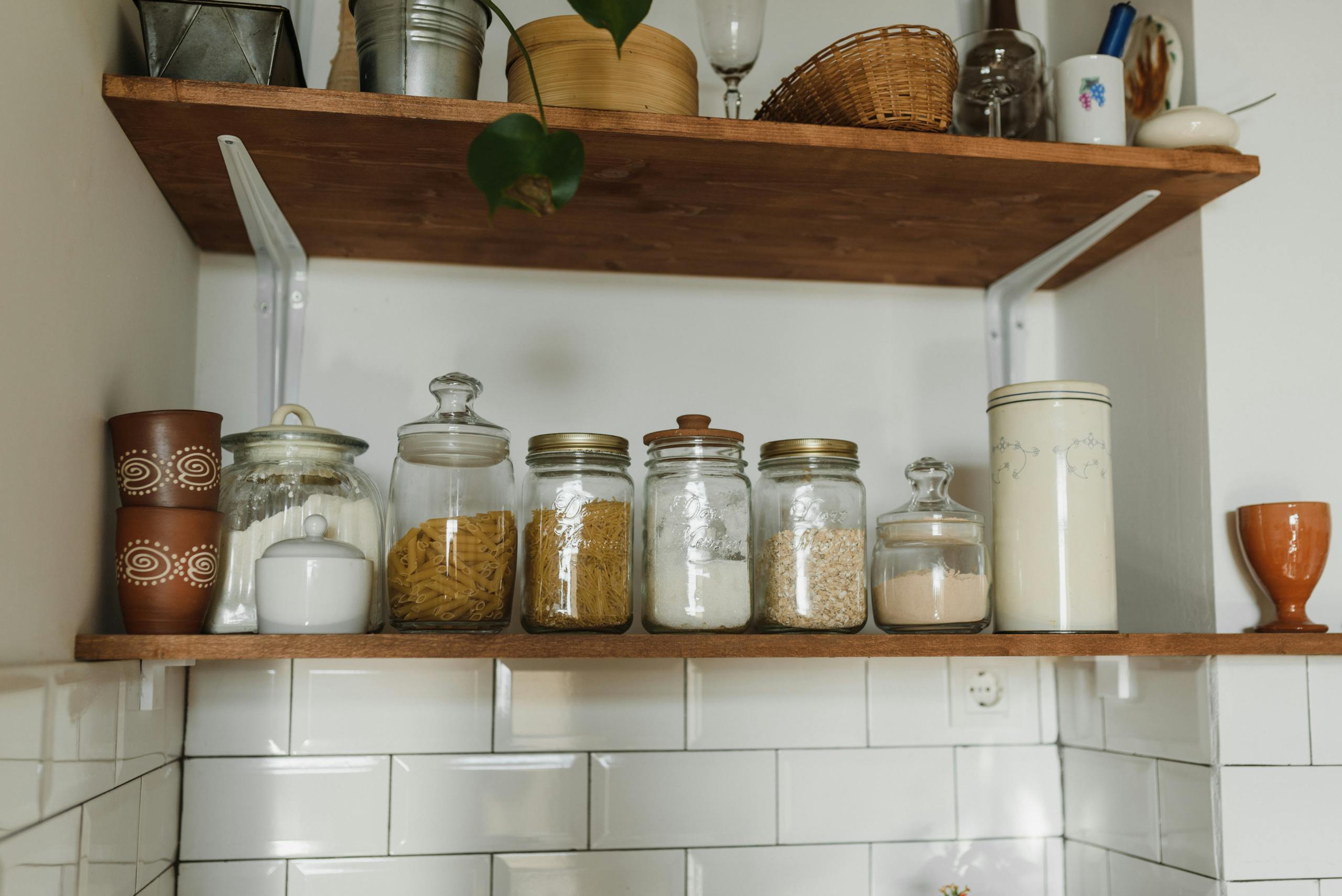
Most of these mistakes come from applying a general rule, cold is preservation, without understanding the specific chemistry of what you’re storing. The refrigerator is not a universal solution.
Knowing what belongs where, and why, is a different kind of kitchen knowledge than technique. It costs nothing and saves more food than most recipes recover.