10 Forgotten Dishes That Defined American Dinner Tables
There was a moment when certain dishes mattered so much that women cut recipe cards from magazines and filed them in boxes. Church potlucks depended on them.
Dinner parties were built around them. Then tastes shifted and these dishes disappeared from conversation.
That doesn’t mean they weren’t real. It means the reasons people ate them are worth remembering.
Chicken tetrazzini

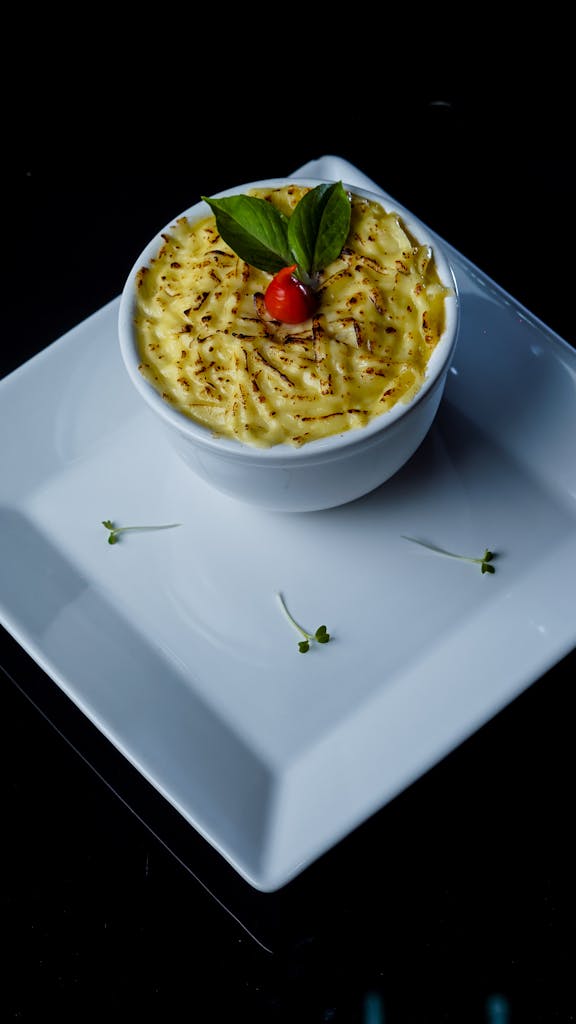
This arrived in America through Italian immigrants and stayed because it solved a problem: how to use leftover chicken and make something company-worthy. Chicken, noodles, a cream sauce, and cheese went into a baking dish.
You could make it hours ahead. The oven did the work while you set the table.
Restaurants served it in the 1950s as something sophisticated. Families made it on weeknights as something practical.
It was both things at once. Now it’s almost gone.
Aspic

A savory gelatin made from meat broth that was set in molds and turned into shapes. Fish aspic.
Chicken aspic. Vegetables suspended inside.
It was the height of mid-century entertaining. It looked impressive.
It showed technical skill. It was also a practical way to use bones and scraps and stretch protein further than meat alone could reach.
It required refrigeration and time and precision. Convenience foods made it unnecessary.
Bread and butter pudding

Not the sweet dessert version that some still remember. The savory version.
Bread cubes mixed with meat or seafood and cream, baked until it bubbled. It was Depression-era cooking that people kept making long after the Depression.
It stretched ingredients. It made something warm and filling from simple things.
It was comfort without trying to be comfort. It has almost completely left the American table.
Baked Alaska

A dessert that was technically challenging and felt like an event. Cake topped with ice cream, covered in meringue, and flamed or baked until the outside was golden.
It arrived at the table looking like something from a restaurant. Making it meant following precise steps.
The ice cream had to stay cold while the meringue baked. It required confidence or at least willingness to take a chance.
Once you turned the lights down and set it on fire, the skill looked magic.
Beef stroganoff

Beef, onions, and mushrooms in a sour cream sauce served over egg noodles. It was the go-to dish for dinner parties through the 1960s and into the 1970s.
Not too simple. Not too complicated.
Elegant enough to serve company. Easy enough to make on a weeknight if you had the right groceries.
It was a bridge between American and European cooking. It said the person cooking had been to a restaurant and brought something back.
Tuna noodle casserole

This one is not entirely forgotten. You can still find it at potlucks.
But it’s become a joke. Once it was what modern housewives made.
Canned tuna, cream of mushroom soup, egg noodles, and breadcrumb topping. It was fast.
It was cheap. It was filling.
The name changed as cooking changed. What was called "a favorite supper dish" became "retro."
The ingredients and the technique stayed the same. What changed was what people thought about it.
Veal Marsala

Veal pounded thin, seared, and finished with a Marsala wine sauce. It felt Italian.
It felt expensive. You had to know how to pound meat correctly.
You had to time the cooking so the veal stayed tender. It appeared on the menus of steakhouses and nicer restaurants.
Home cooks replicated it for dinner parties. It said something about the cook’s ambition.
It has mostly moved back into restaurants and stayed there.
Liver and onions

What kept families fed when meat was scarce and organs were what people ate. Liver seared until the outside was caramelized and the inside still soft.
Onions cooked until they were sweet. It required no pretense.
You were feeding people a meal. You weren’t trying to convince anyone.
Some people loved it. Some people didn’t.
That was always true.
Crown roast of pork

A whole pork loin bent and tied into a circle shape so it would cook evenly and look like a crown. The hollow center held stuffing.
It was the kind of dish that showed up in magazines with photographs where people wore gloves to touch the meat. It was for celebrations.
It required a butcher to prepare. It required skill to cook correctly.
It required a table with people gathered around it who understood what they were looking at.
Shrimp de Jonghe

Shrimp coated in breadcrumbs and spices, baked in a casserole dish. It originated in Chicago and came with a story about a restaurant and a chef.
It traveled to other cities in restaurants and then to home kitchens. People clipped recipes and made it themselves.
It felt special without requiring you to go out. Then it stopped appearing at parties.
Then it stopped appearing in homes. The recipe still exists.
The dish has become a historical artifact.
Why they matter

These dishes tell a story about how American food changed. Not just what people ate but what they thought about eating meant.
A perfectly executed beef stroganoff was proof of something. A baked Alaska required witnessing.
A crown roast required an occasion. When cooking became faster and easier, these dishes started to feel like work instead of accomplishment.
They’re not gone because they taste bad. They’re gone because the reasons people made them are gone.