9 Kitchen Habits That Actually Save You Money
Most people assume eating well costs more. The truth is quieter than that.
It’s not about buying expensive ingredients or fancy equipment. It’s about how you move through your kitchen day after day.
Small habits compound into real savings over weeks and months. Here’s what actually works.
Keep a running list of what’s in your freezer

You already have food you’ve forgotten about. That chicken breast from two weeks ago.
The half container of sauce no one is touching. A freezer without a map is just expensive waste.
Take five minutes one weekend and write down what’s actually in there, then tape it to the door. When you plan a meal, check the list first.
You won’t buy a third pound of ground beef when you already have two. You’ll defrost that salmon instead of letting it crystallize for another month.
Buy spices from bulk bins instead of jars

A new jar of cumin costs $4. You use half a teaspoon.
The rest sits on your shelf for three years and loses all its heat. Bulk bins charge you for what you actually take home.
A week’s worth of cumin costs 30 cents. You’ll use it while it’s still potent.
Over a year, if you cook more than twice a week, bulk spices pay for themselves three times over. Most grocery stores have them now.
Bring small containers or use the paper ones they provide.
Save vegetable scraps in the freezer for broth

Onion ends. Carrot peels.
The tough part of celery. Chicken bones.
Most people throw these away. Put them in a freezer bag instead.
When the bag is full, dump everything into a pot, cover with water, and simmer for three hours. You’ve just made stock that would cost $8 a container if you bought it.
You won’t know how much you need stock until you’re making risotto at 6 p.m. and realize you’re out.
Buy whole chickens instead of breasts

A whole chicken costs 40 percent less per pound than buying parts. You get two breasts, two legs, two thighs, and bones for broth.
You’re not paying for someone else to break it down. It takes five minutes to do yourself with a knife.
The bones go in the freezer for Item 3. You have protein for three dinners and broth for soup.
One bird, six meals’ worth of ingredients. This math doesn’t require a calculator.
Master the art of one-pot dinners

Every time you use a pot, a pan, a baking sheet, and a cutting board, you’re creating dishes to wash. More dishes mean more water, more detergent, more time.
A good one-pot dinner means fewer tools, less cleanup, and less chance you’ll order pizza because you’re exhausted. Pasta, sauce, and vegetables cook in one pot.
Rice and broth and whatever protein you have go in another. Roast vegetables and meat on one sheet.
You save money on utilities and your own sanity.
Cook double and eat half later

When you’re making soup or chili or a stew, make twice as much. Half goes on the table tonight.
Half goes in the freezer for a night when you’re tired and the takeout menu is calling your name. You’ve already paid for the ingredients, the gas or electric, your attention.
Using that same work twice is the most efficient money move in the kitchen. By the time you’ve cooked 10 double batches, you’ve probably saved a restaurant dinner or two.
Buy seasonal produce and no other kind

Strawberries in December cost three times what they cost in June. They’re also mealy because they’ve traveled.
Apples in the fall are crisp and cheap. Tomatoes in summer can be eaten raw or cooked.
Buying what’s in season is not romantic. It’s practical.
You spend less and eat better. It’s the opposite of a sacrifice.
Keep an open-ended pantry instead of following recipes exactly

Many people buy ingredients for a specific recipe, use most of it, and the rest goes to the back of the shelf. A better approach: keep a rotating set of basics.
Canned tomatoes, beans, pasta, rice, garlic, onions, olive oil, salt. With these and whatever protein and vegetables you have, you can make dinner without shopping.
You won’t follow a recipe exactly, and that’s fine. Your kitchen becomes more flexible.
Your spending becomes less chaotic.
Stop buying small single-use kitchen tools

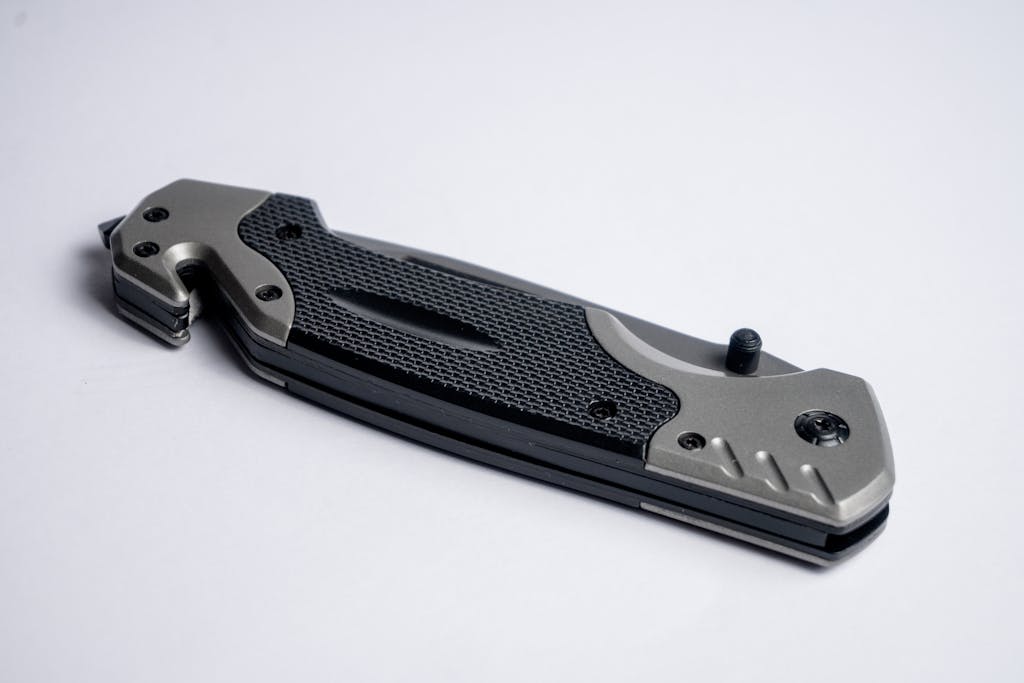
You do not need a $20 garlic press. You have a knife.
You do not need a specialized strawberry huller. You have your hands.
A can opener, a knife, cutting boards, a grater, measuring spoons. These last for decades.
Anything smaller than that is a drawer cluttering up your decision-making. The person who spends $200 on kitchen gadgets isn’t saving money.
The person who cooks with what they have is.
The pattern beneath
Money in the kitchen isn’t about restriction. It’s about attention.
The person who knows what’s in the freezer spends less. The person who buys whole chickens and makes broth spends less.
The person who cooks double so tomorrow is already decided spends less. You’re not cutting back.
You’re just looking at what you’re actually doing and changing the smallest things that matter.