11 Kitchen Habits That Quietly Make Everything Better
Nobody teaches you the small stuff. You can follow a recipe precisely and still end up with something that tastes like it’s missing a step.
These are the habits that experienced home cooks pick up over years of noticing what works and what the recipe didn’t bother to mention.
Salt your pasta water like you mean it

The water should taste like lightly salted seawater before the pasta goes in. Most people use a fraction of what’s needed, then wonder why their pasta tastes flat even after a good sauce.
The salt seasons the pasta from the inside as it cooks; no amount of sauce added afterward can replicate that. A tablespoon of kosher salt for a large pot of water is a starting point, not an excess.
Let meat rest before cutting it

The moment a piece of meat comes off the heat, its muscle fibers are contracted and the juices are pushed toward the center. Cut it immediately and everything pools on the cutting board.
Give it five to ten minutes under loose foil and the fibers relax, redistributing the juices throughout. This applies to a steak, a roast chicken, or a pork tenderloin.
The rest is not a nicety. It’s part of the cook time.
Dry your proteins before searing
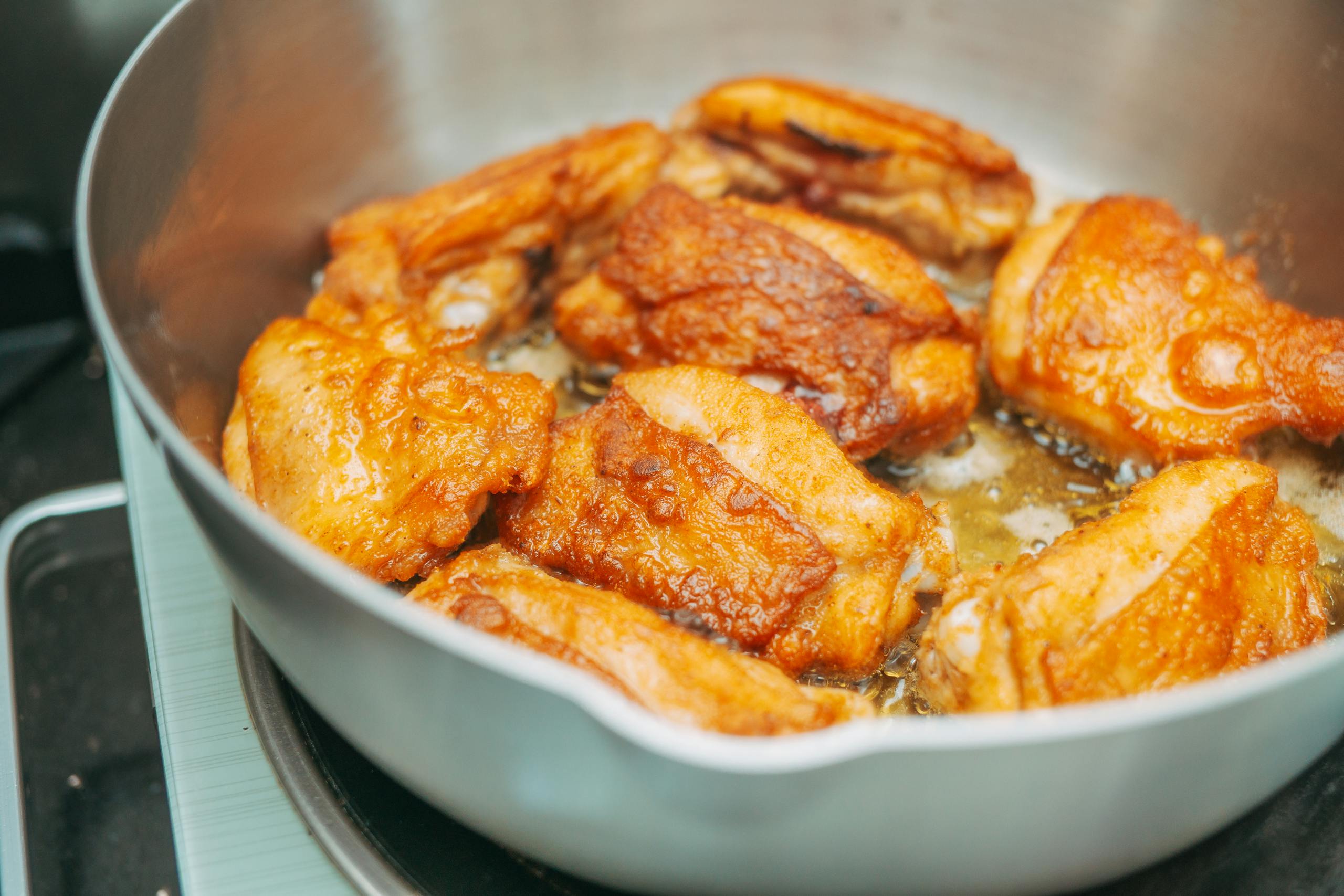
Moisture is the enemy of browning. A chicken thigh straight from the brine or the package has surface moisture that will steam in the pan before it can sear.
The result is gray and soft where it should be golden and crisp. Pat everything dry with paper towels before it hits the oil.
If you have time, leave it uncovered in the refrigerator for an hour. The surface dries out further.
The sear that results is worth the wait.
Taste as you go, not just at the end

A dish that tastes flat after plating usually got there because no one checked along the way. Tasting only at the end leaves you fixing problems that were easier to catch twenty minutes earlier.
Salt added early has time to integrate; salt added at the table sits on top. The same goes for acid, spice, and sweetness.
Build the flavor throughout. Tasting is a technique, not an afterthought.
Use the fond
When you sear meat in a pan, the browned bits that stick to the bottom are not something to scrub away. They are concentrated flavor.
Add liquid, whether wine, stock, or even water, while the pan is still hot and scrape those bits up with a wooden spoon. This is deglazing, and it takes thirty seconds.
The result, called a pan sauce, is better than most bottled sauces you could add to the same dish. The pan is already doing the work.
Bloom your spices

Dried spices stored in a jar are dormant. Heat wakes them up.
Add ground spices to warm oil or butter for thirty seconds before the other ingredients go in. The fat carries the flavor compounds in a way that water-based cooking doesn’t.
This works for cumin, coriander, paprika, turmeric, and most other dried spices. The difference between spices bloomed in oil and spices dumped into a liquid is not subtle.
Keep a bowl for scraps at your cutting board

A mixing bowl placed next to your cutting board for vegetable trimmings, onion skins, and other scraps changes the flow of your prep work. You stop making constant trips to the trash.
The workspace stays clear. You move faster.
This is the kind of small organizational habit that seems unnecessary until you try it for one cooking session and then can’t imagine working without it.
Chill your fat for pastry

Butter and lard create flaky pastry because they melt in the oven and release steam, creating layers. If they start to melt before the dough goes in, you lose the layers before baking begins.
This is why pastry recipes call for cold butter, ice water, and sometimes chilling the finished dough before rolling. Working quickly matters too.
Warm hands are the enemy of a good pie crust. Some bakers keep a bowl of ice water nearby to cool their hands between passes.
Add acid at the end of cooking
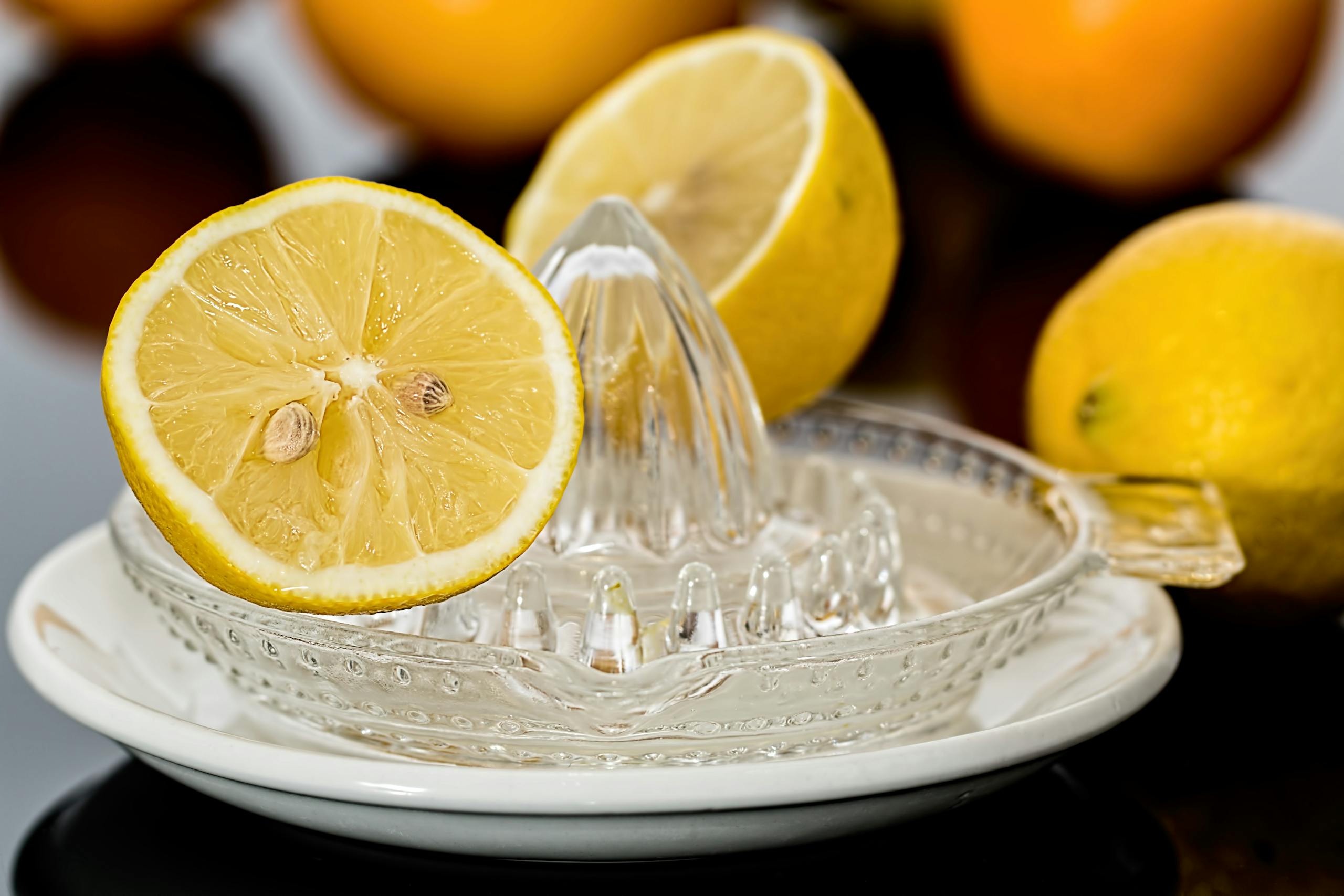
Acid, whether from lemon juice, vinegar, or citrus zest, does more at the end of cooking than it does in the middle. Added early, it tends to cook off and mellow into the background.
Added just before serving, it brightens the whole dish, makes everything taste more like itself, and cuts through fat in a way that salt alone can’t. A squeeze of lemon over roasted vegetables, a splash of sherry vinegar in a braise, a few drops of white wine vinegar in a soup.
Small amounts, added late, do the most work.
Store herbs properly

Tender fresh herbs like parsley, cilantro, and basil die quickly in the refrigerator because they’re not getting water. Trim the stems and place them in a glass of water like cut flowers.
Cover loosely with a plastic bag and store in the refrigerator door, or on the counter for basil, which hates the cold. Done this way, parsley and cilantro last two weeks easily.
Basil on the counter lasts longer than basil in the fridge, which turns black within days. The container you store them in matters as much as where you put it.
Sharpen your knife before it’s obviously dull

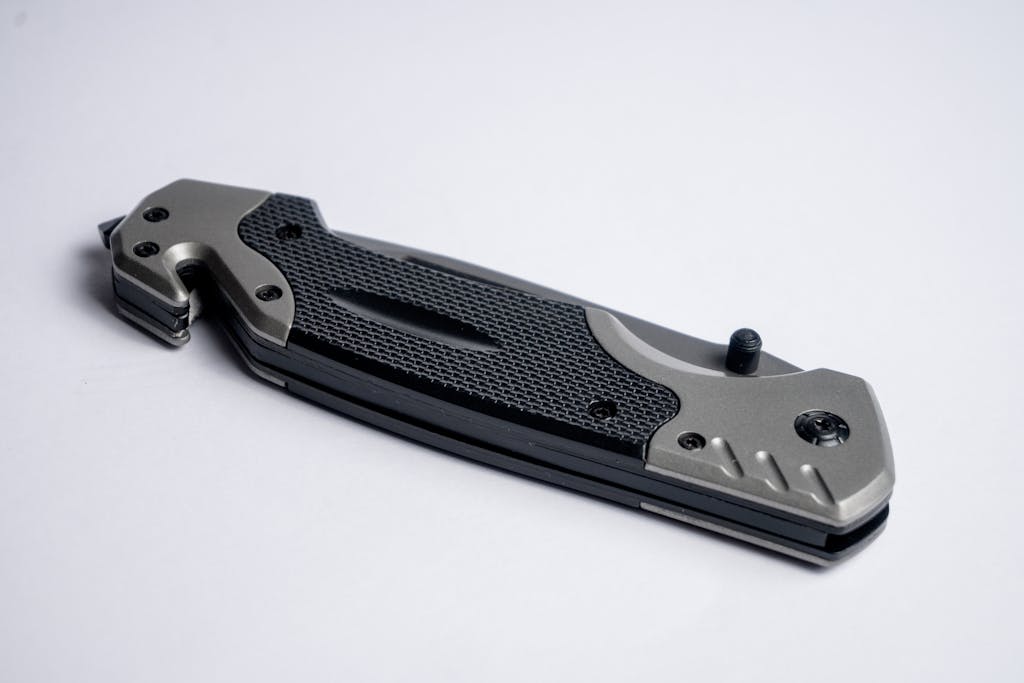
A dull knife requires more force to cut, which means less control and a higher chance of slipping. Most home cooks wait until the knife is visibly struggling before sharpening it, by which point the blade has needed attention for months.
A few passes on a honing steel before each use keeps the edge aligned between sharpenings. An actual sharpening, once or twice a year depending on use, brings back the edge.
A sharp knife makes the same prep work easier, faster, and safer every single time.
The pattern underneath
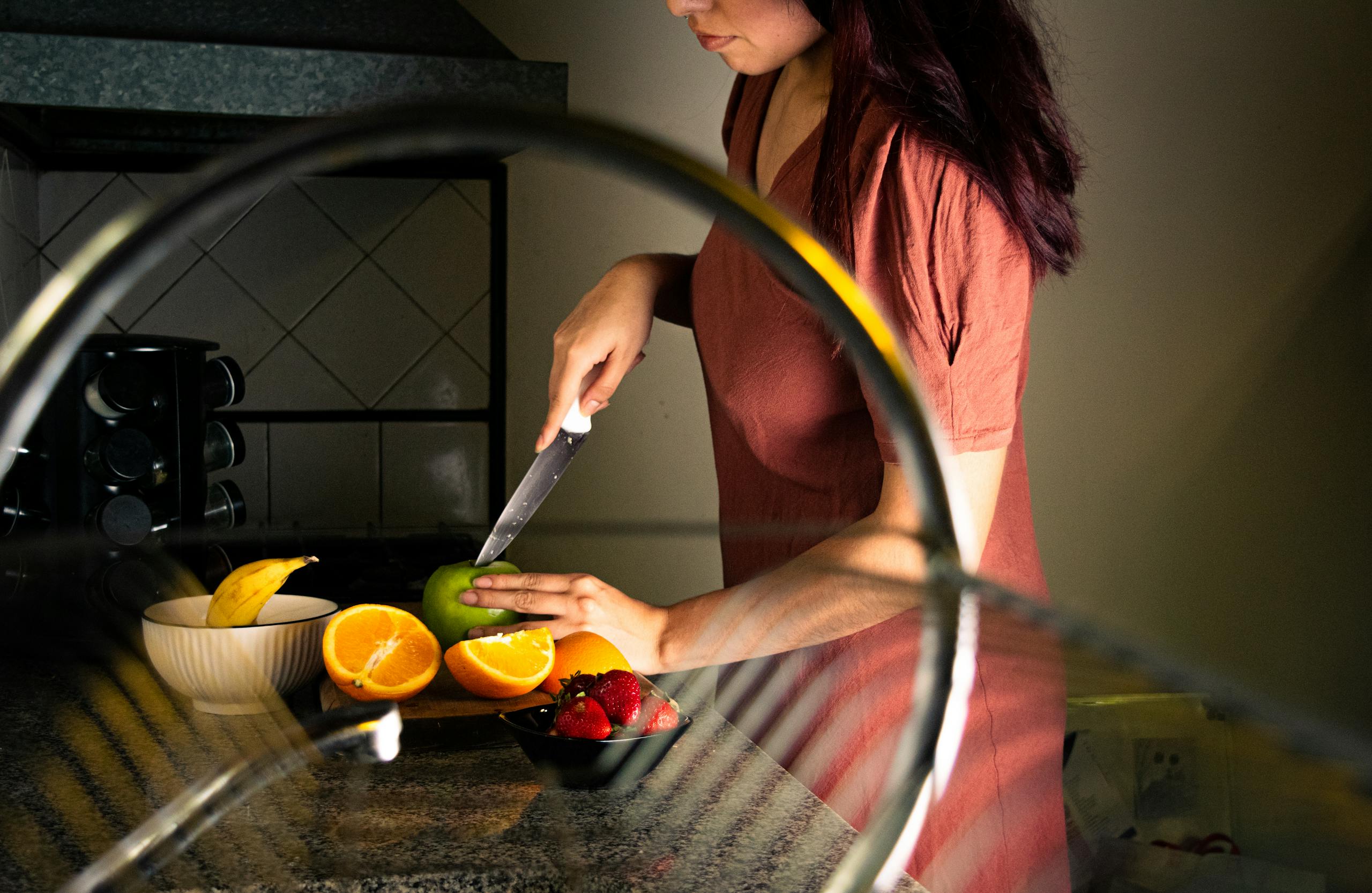
Most of these habits aren’t about technique in the dramatic sense. They’re about paying attention at the right moment, usually just before or just after the main event.
The rest is details. The details are what separate food that’s cooked from food that’s thought about.